Season 2, Episode 6
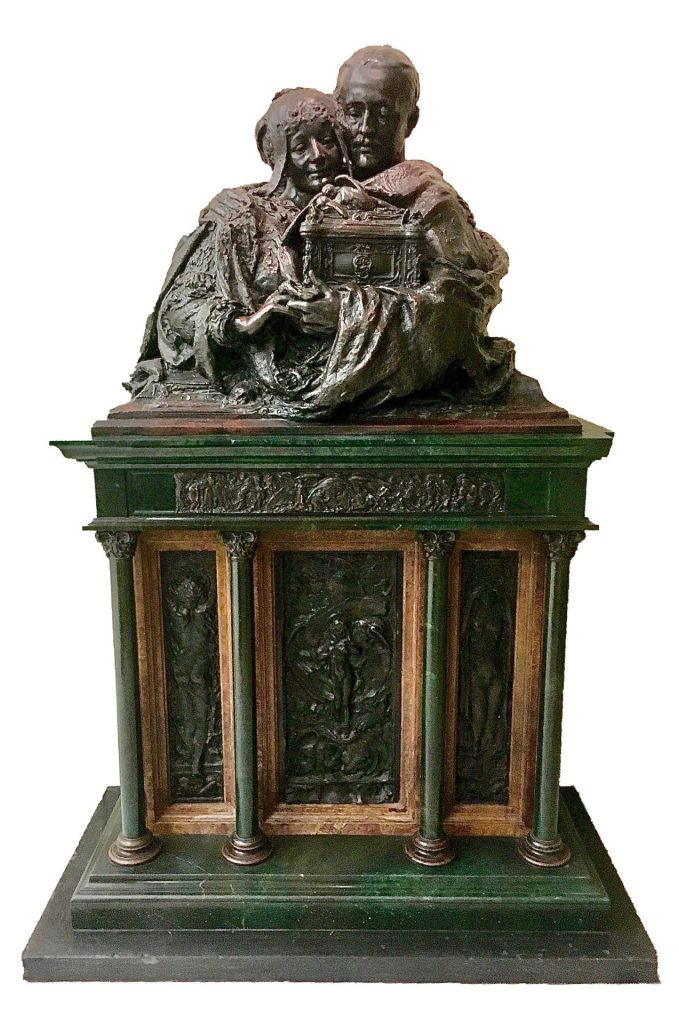
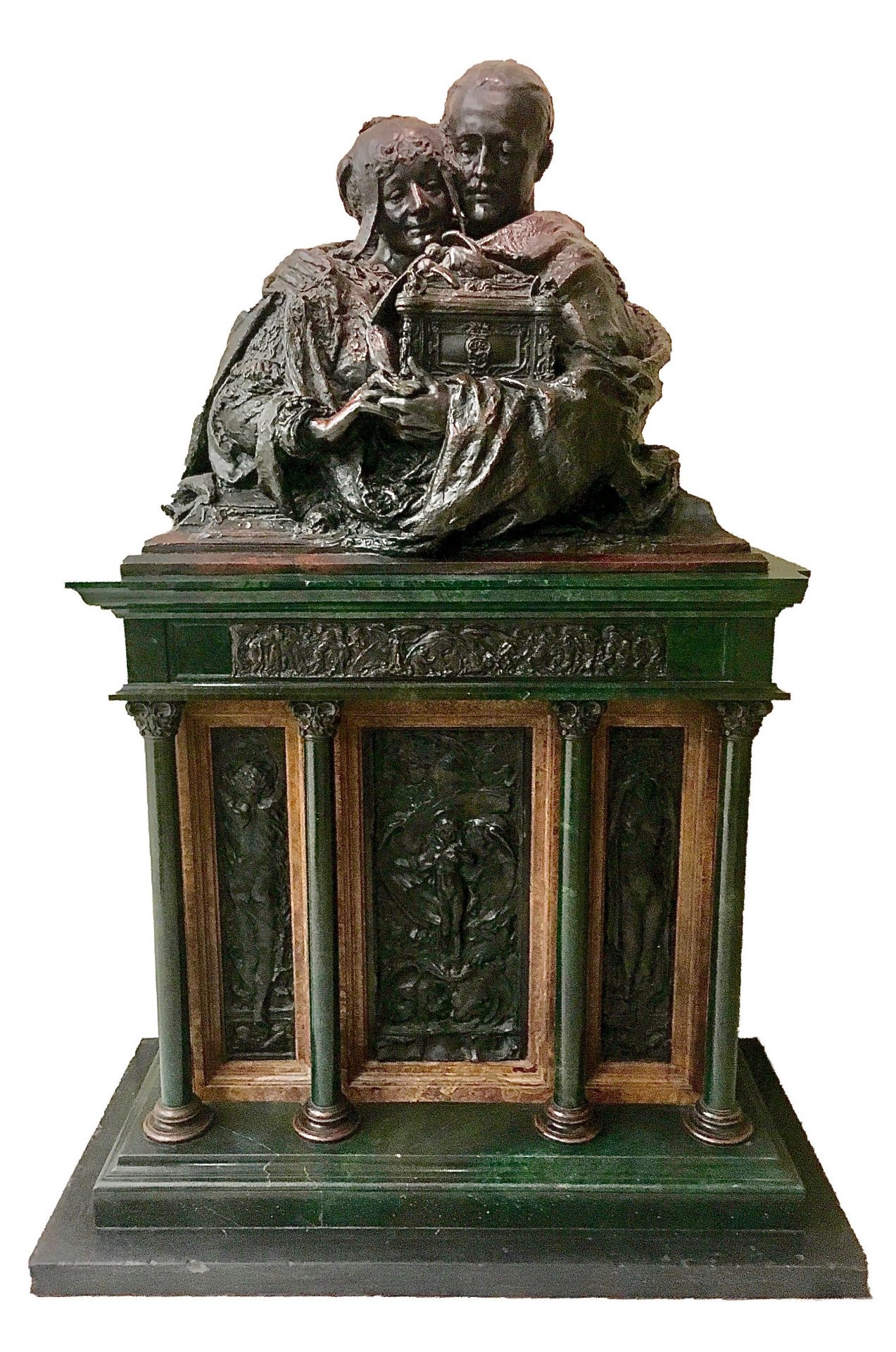
Alfred Gilbert, Mors Janua Vitae (c. 1904–1907) 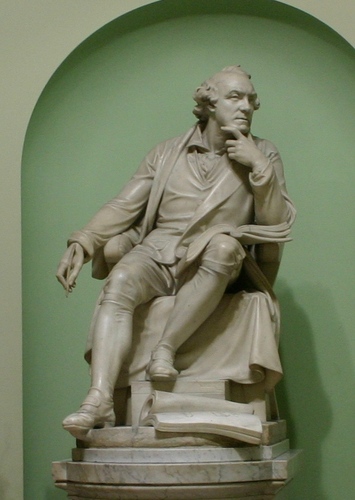
Henry Weekes, John Hunter (1864) 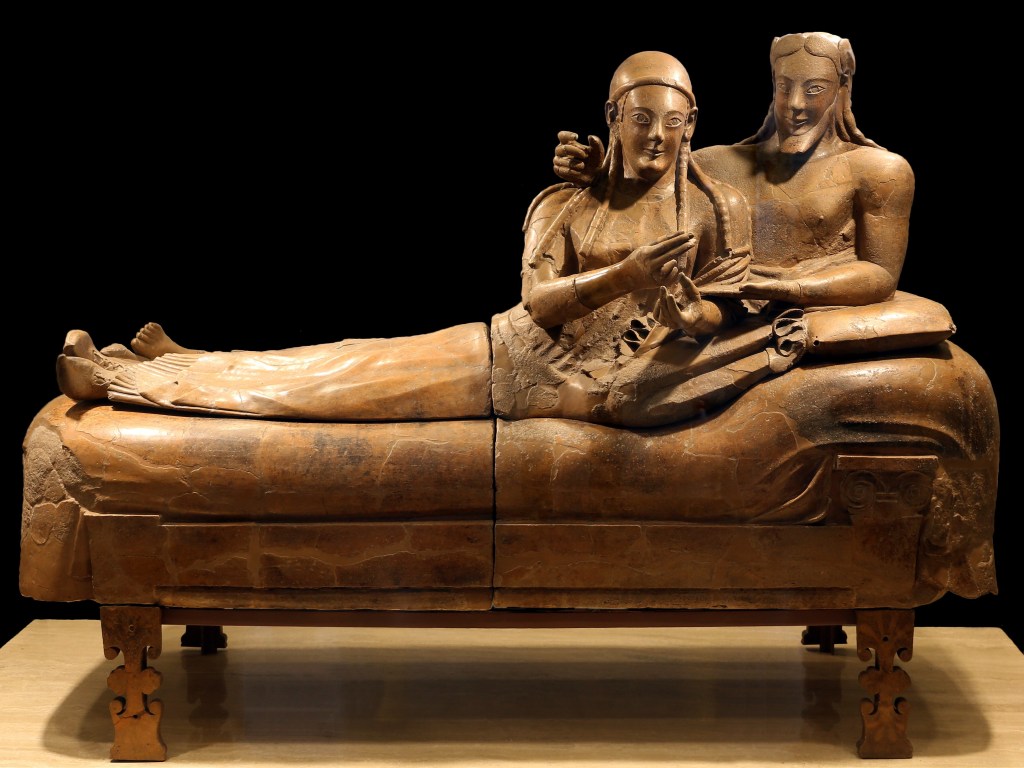
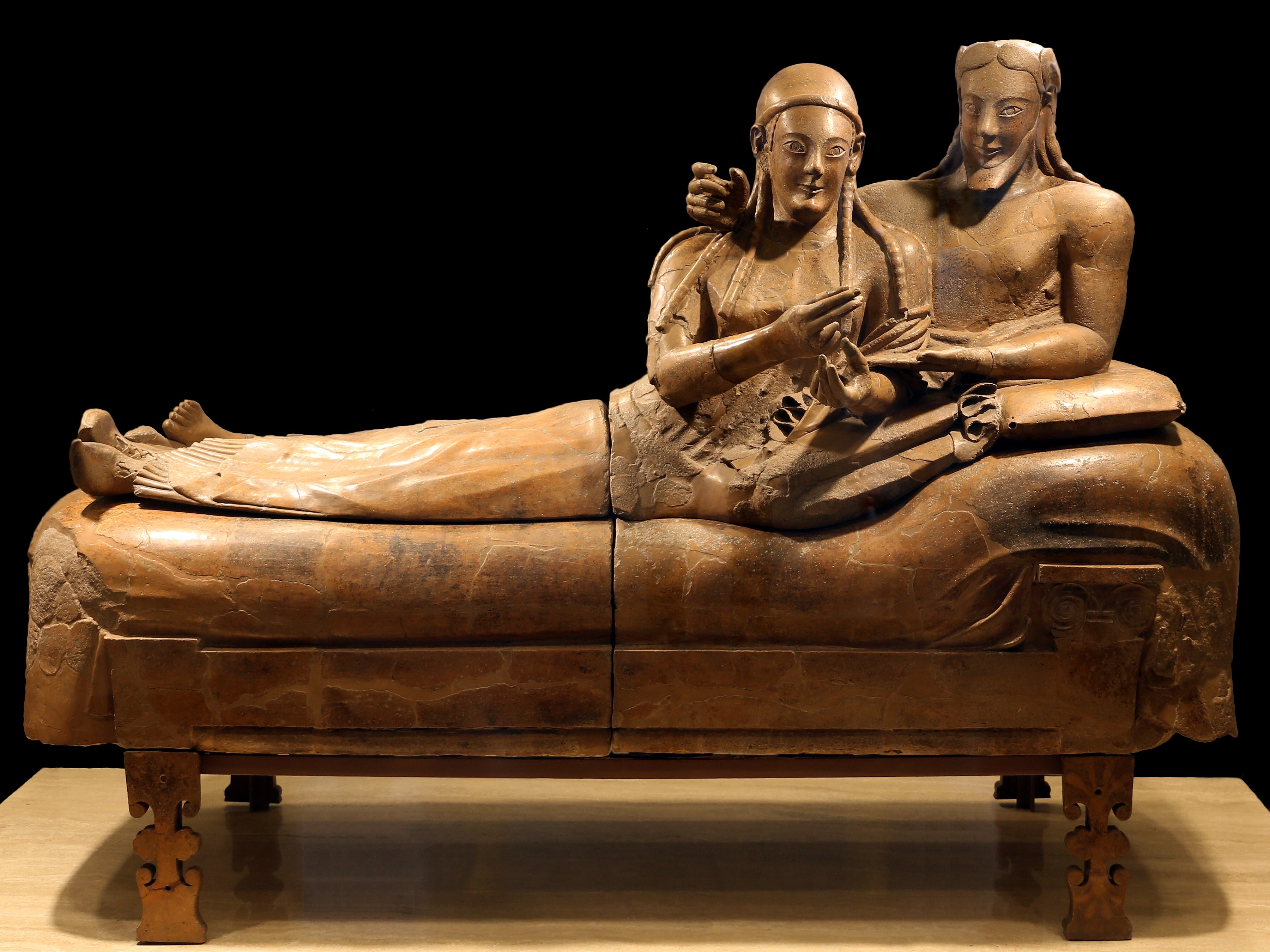
Etruscan couple tomb: The Sarcophagus of the Spouses (c. 530–510 BCE) 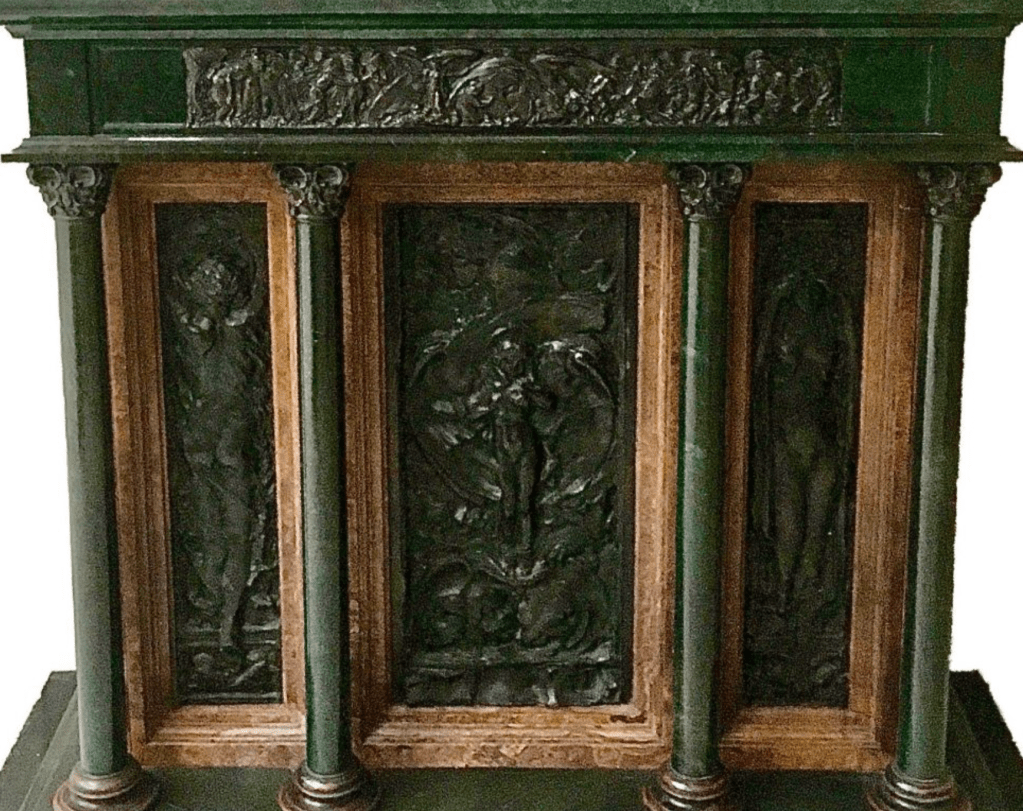
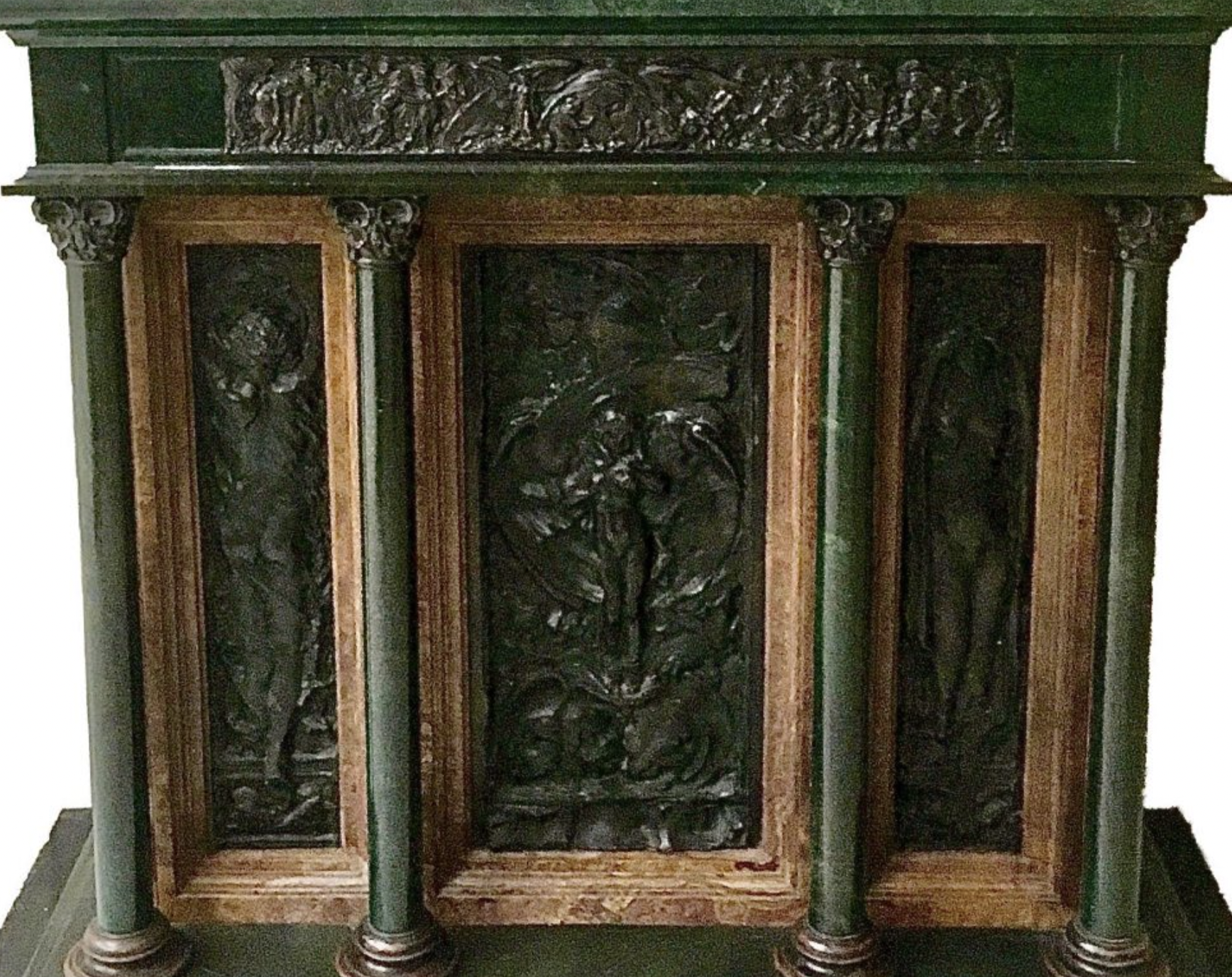
Alfred Gilbert, Mors Janua Vitae: panels 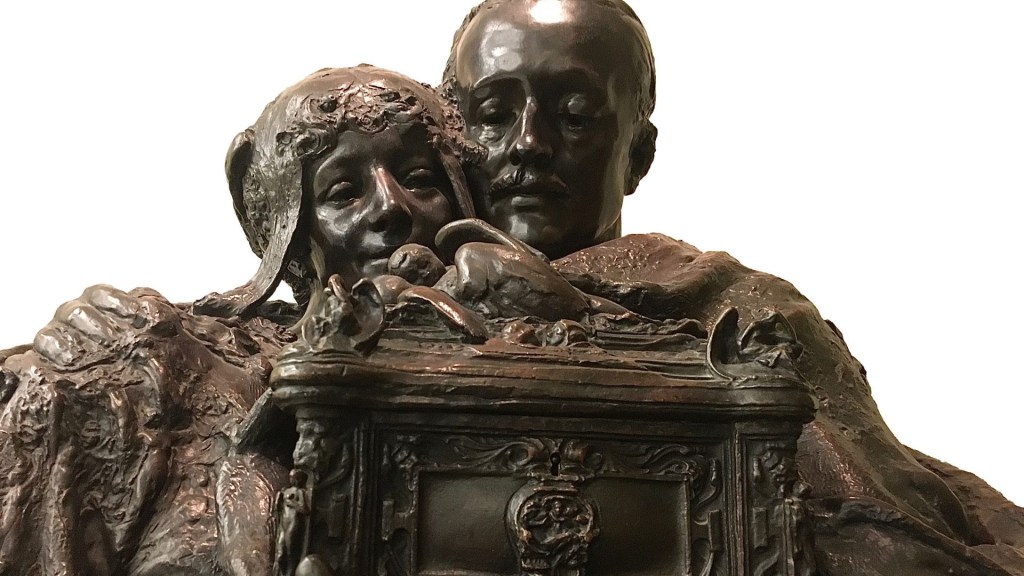
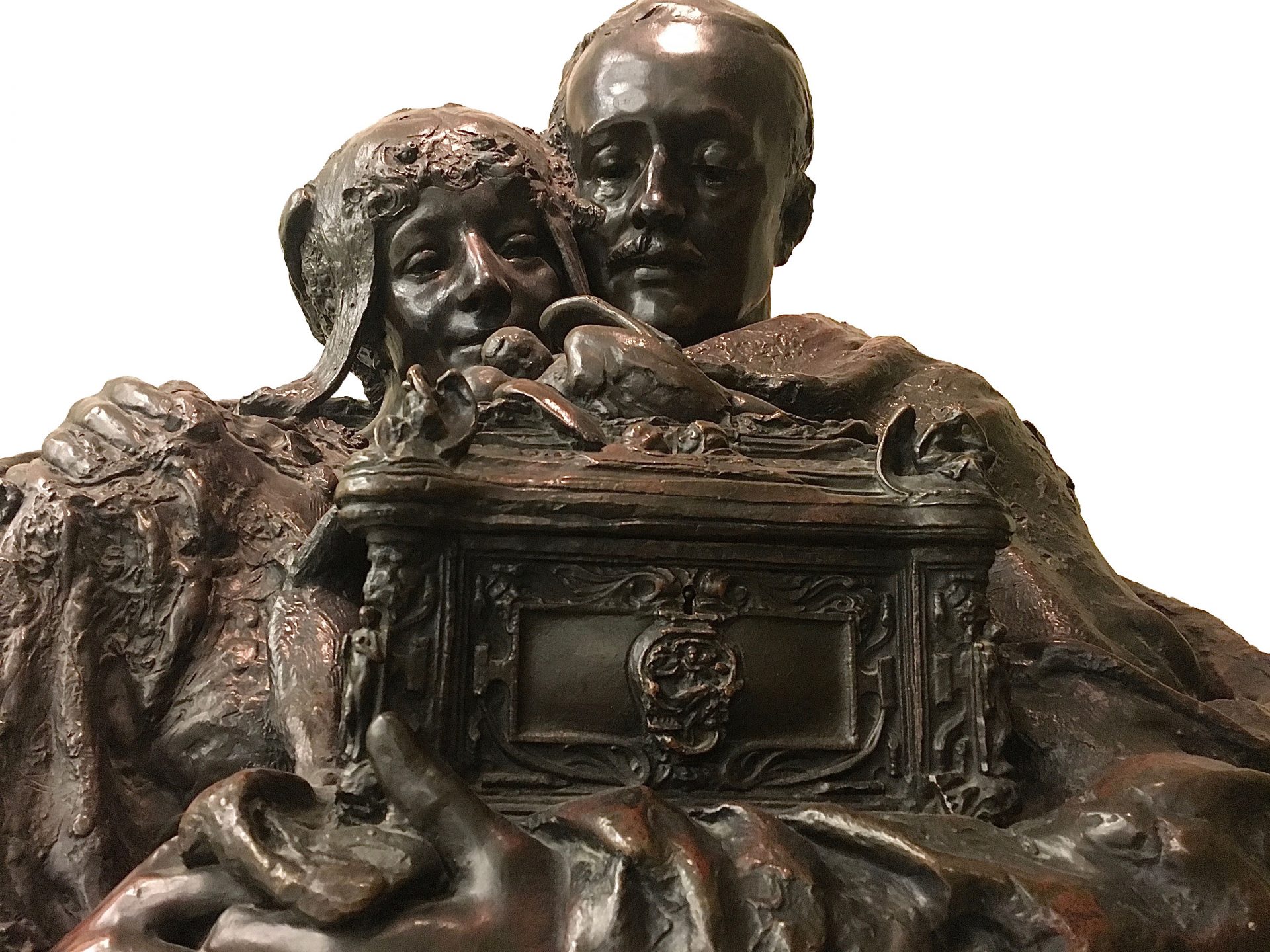
Alfred Gilbert, Mors Janua Vitae: ‘baby angel’ 
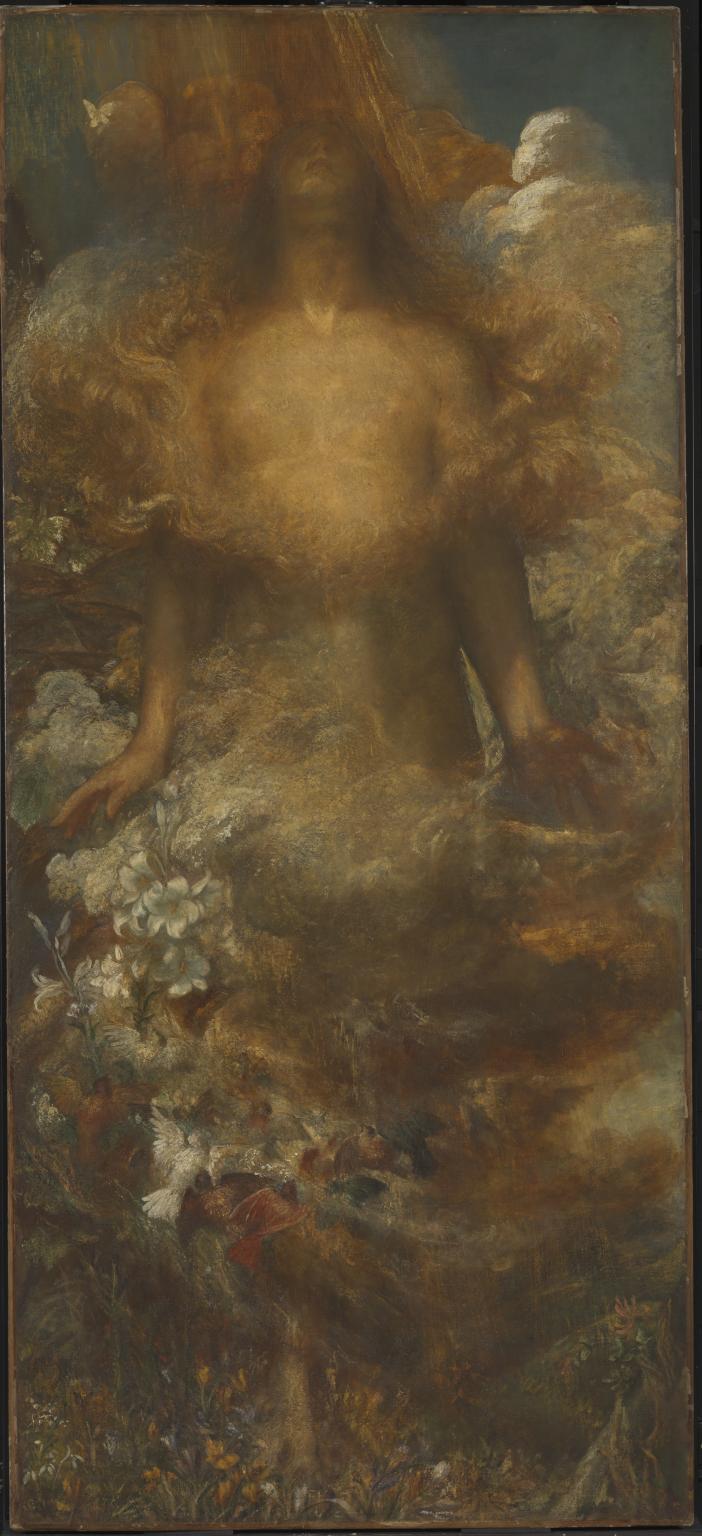
Example of G. F. Watts paintings: She Shall Be Called Woman (c. 1875–92), Tate 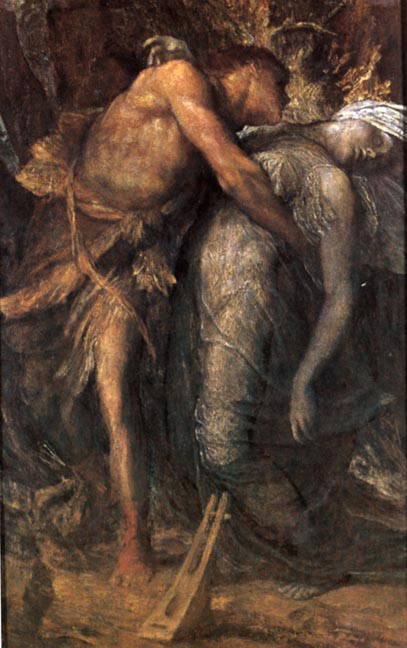
Example of G. F. Watts paintings: Orpheus and Euridice (exh. 1890) 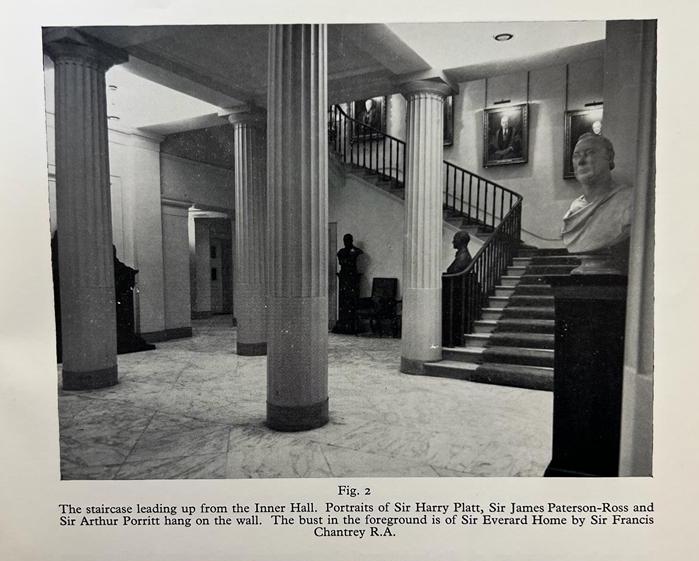
Photograph of the lobby of the Royal College of Surgeons, from Artistic Possessions at the Royal College of Surgeons of England (1967) 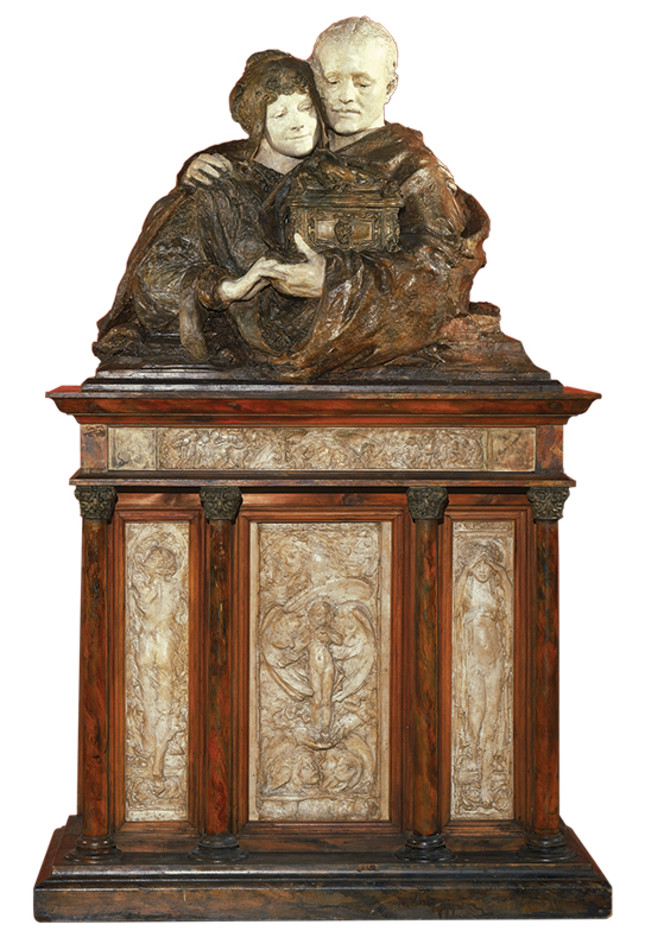
Alfred Gilbert, plaster (and wood) version of Mors Janua Vitae, exhibited 1907, Liverpool Museums 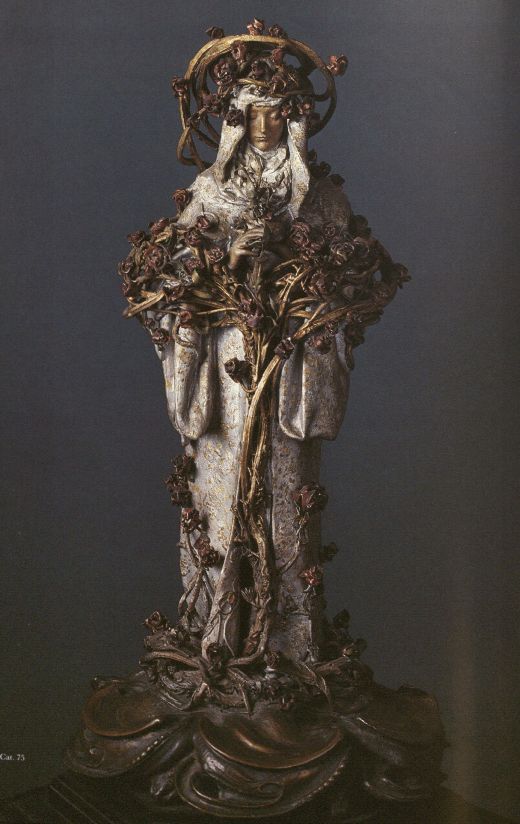
Alfred Gilbert, The Virgin (1884) 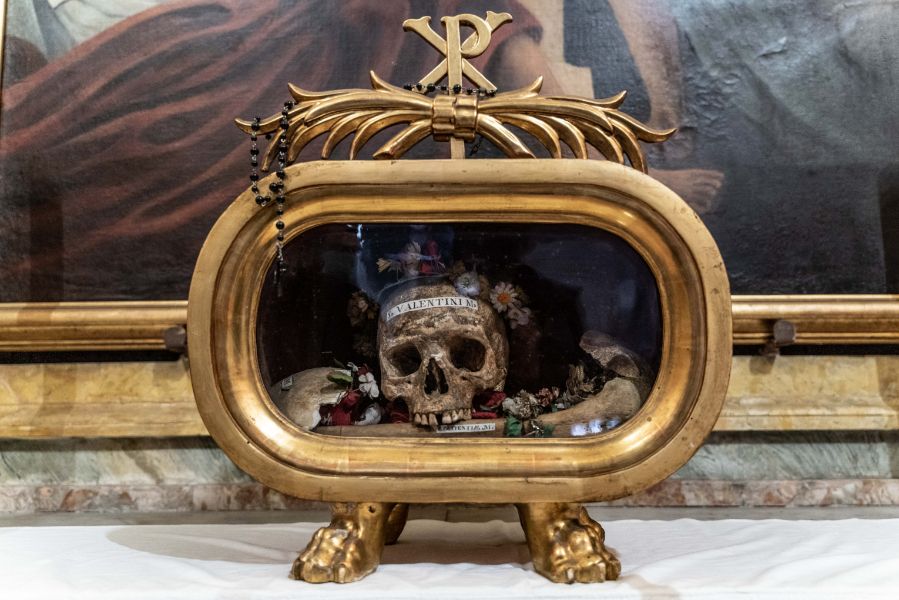
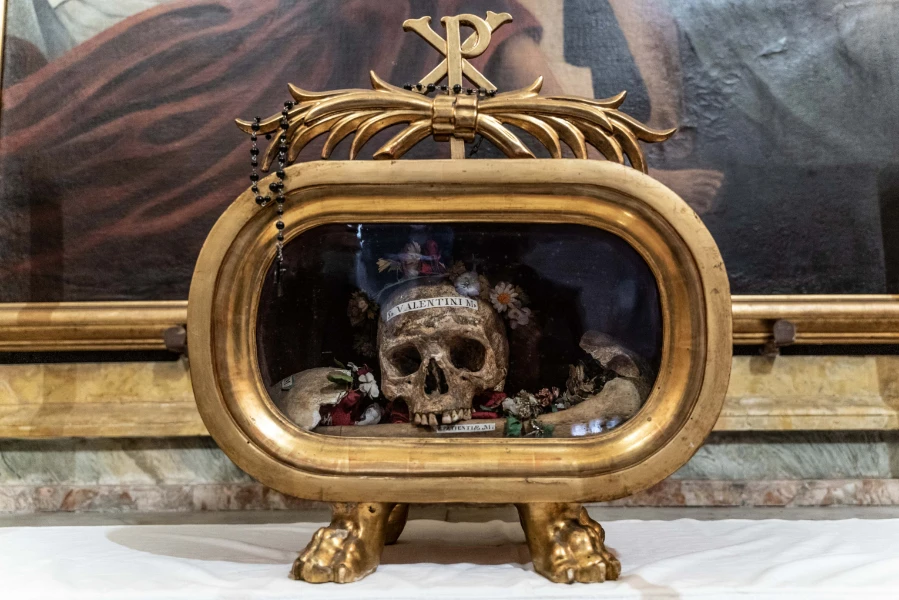
Relic example: the bones of St Valentine, Basilica of Santa Maria, Rome 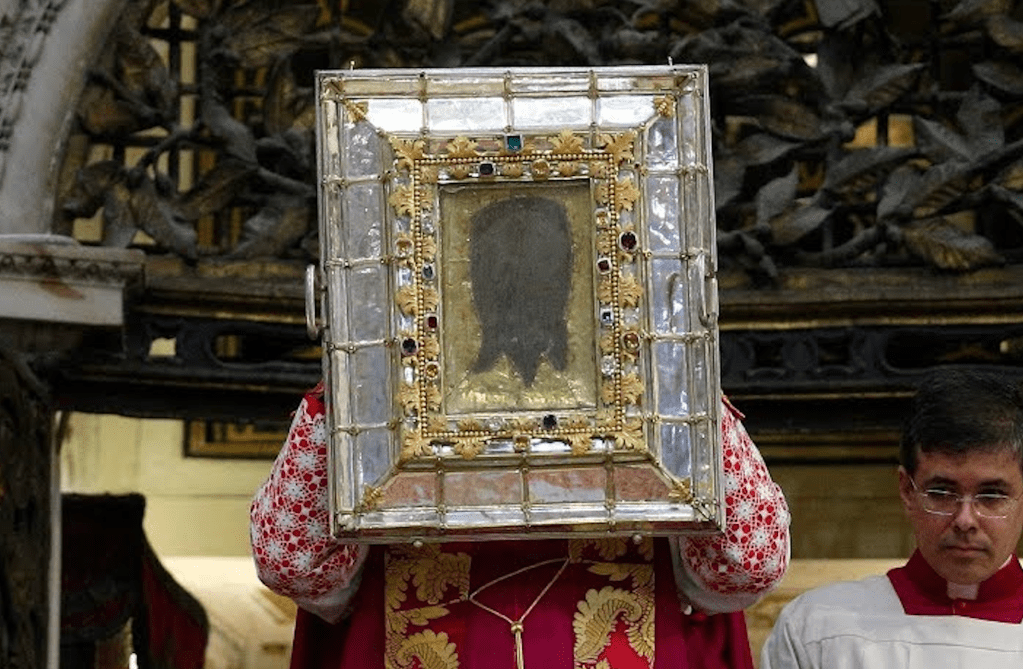
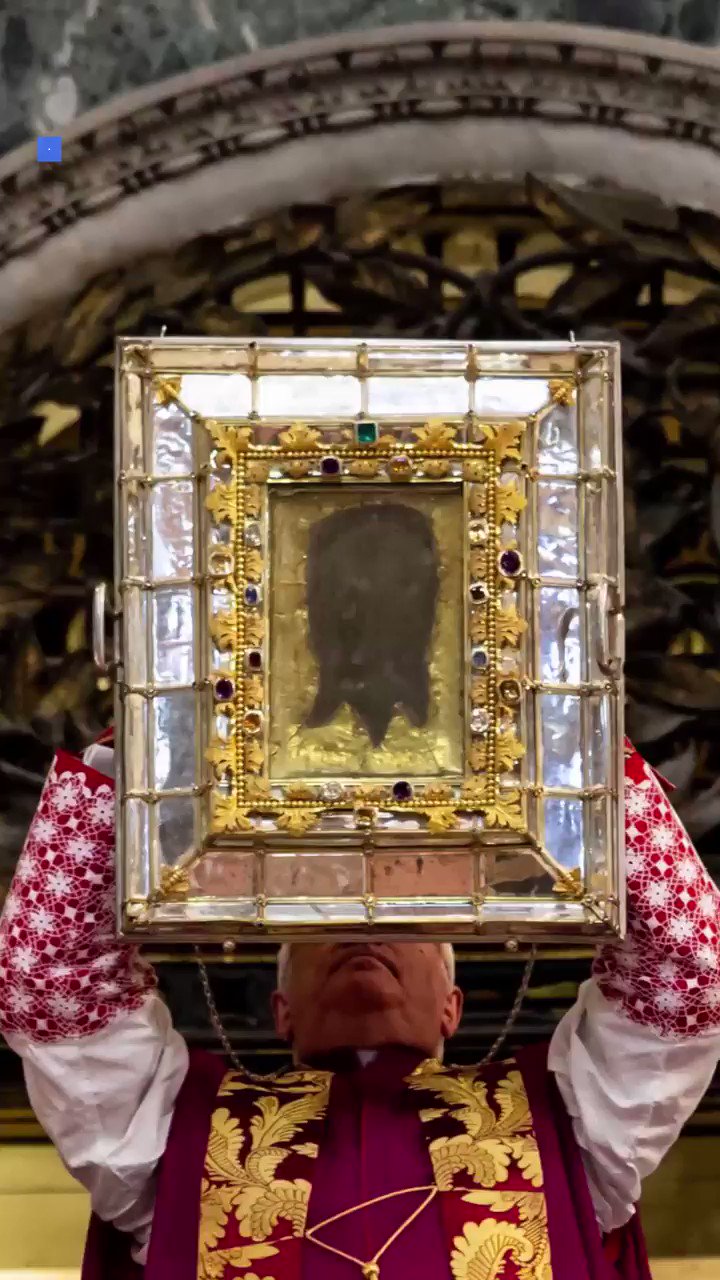
Relic example: the Veil of Veronica (cloth said to have wiped Christ’s face on the way to the crucifixion), Vatican version 
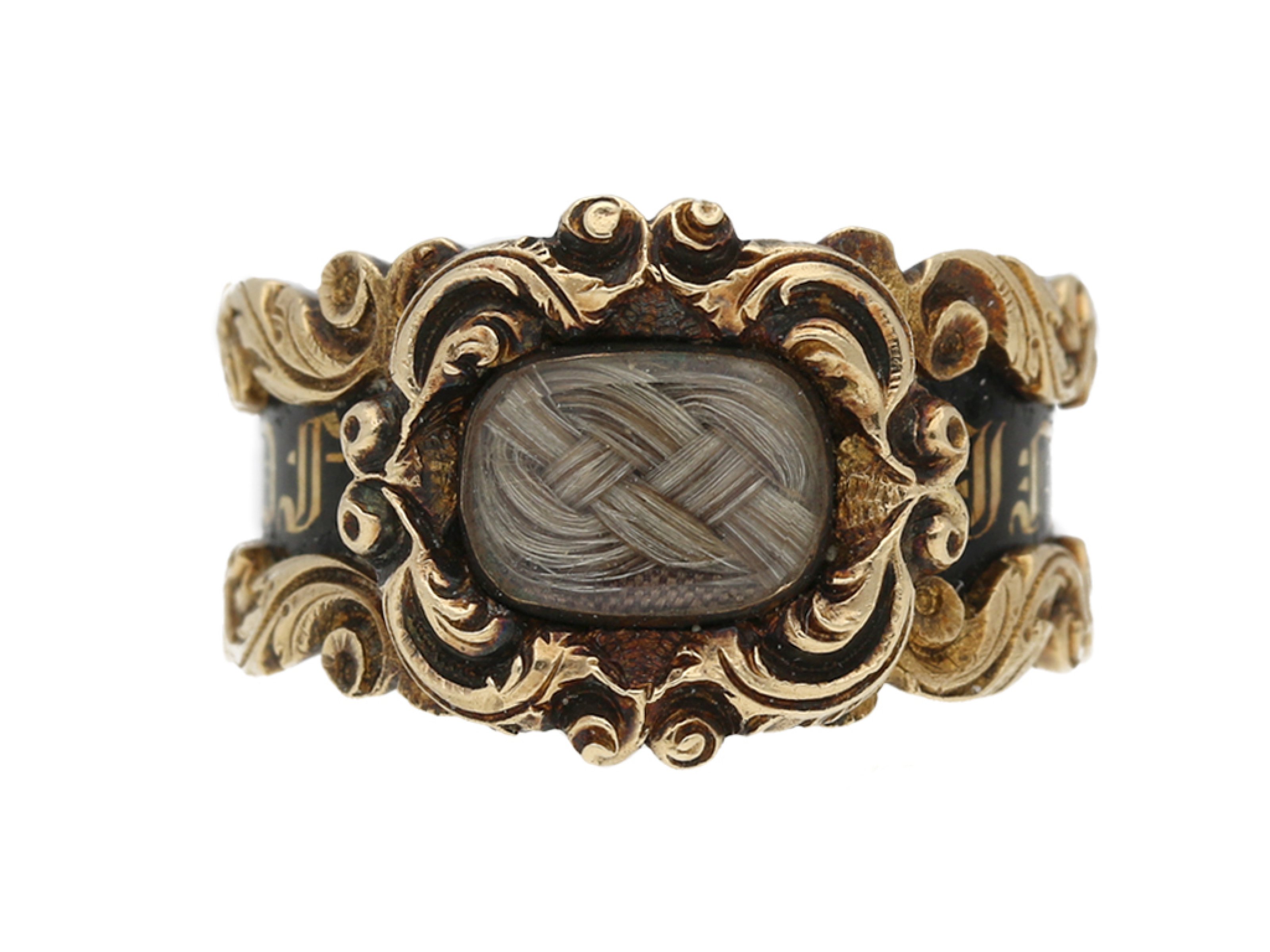
Nineteenth-century mourning jewellery made with hair of the deceased 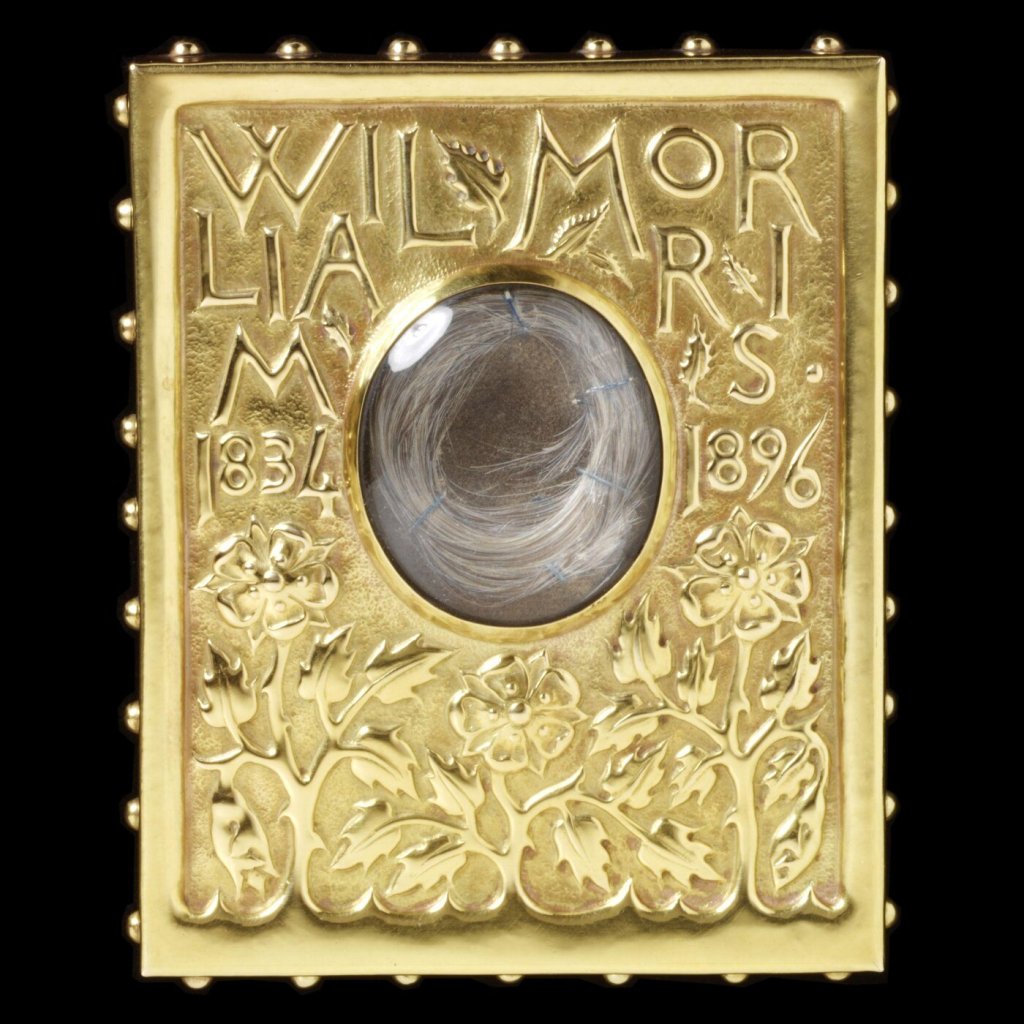
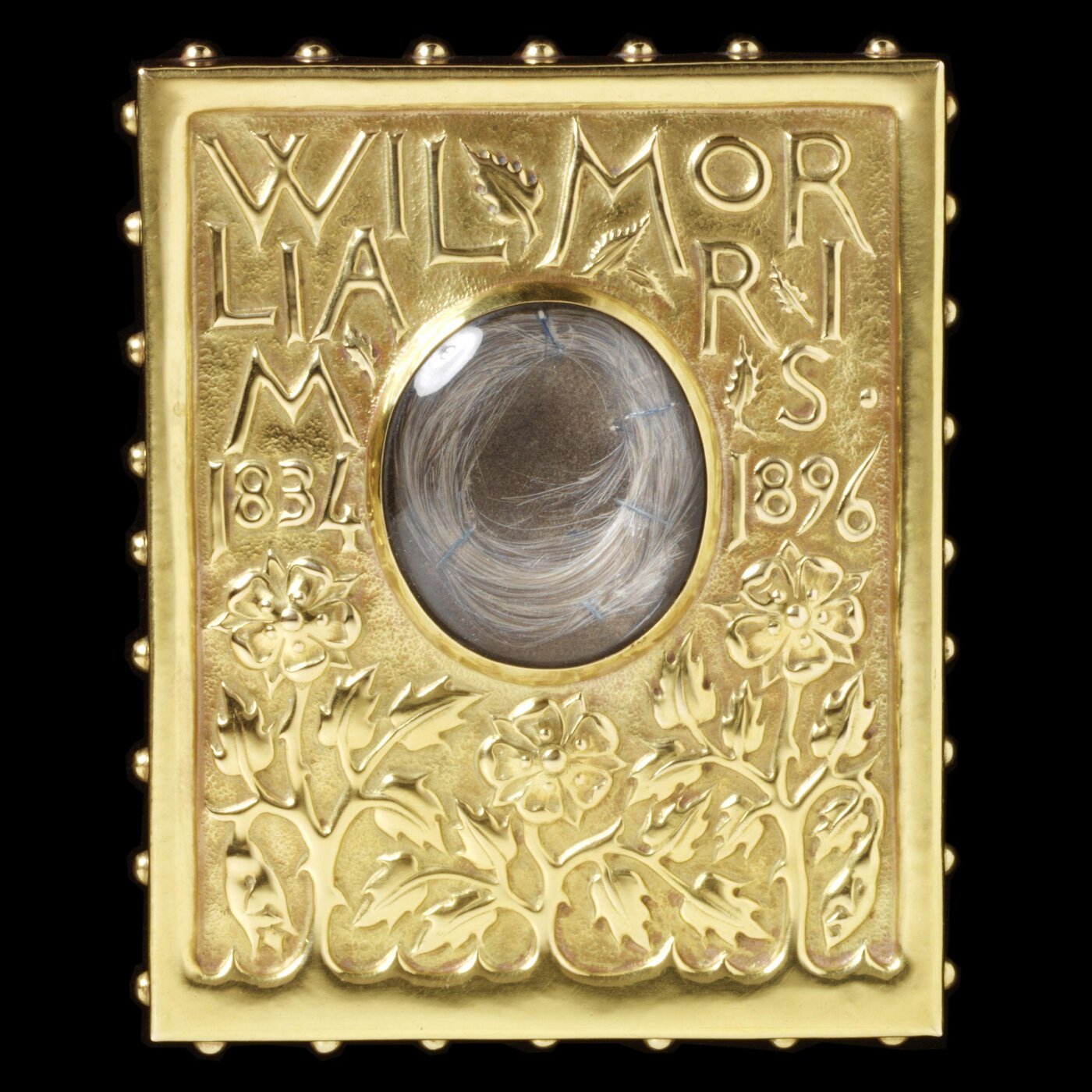
Case containing William Morris’s hair, by Robert Catterson Smith and Charles James Fox (1896–97) 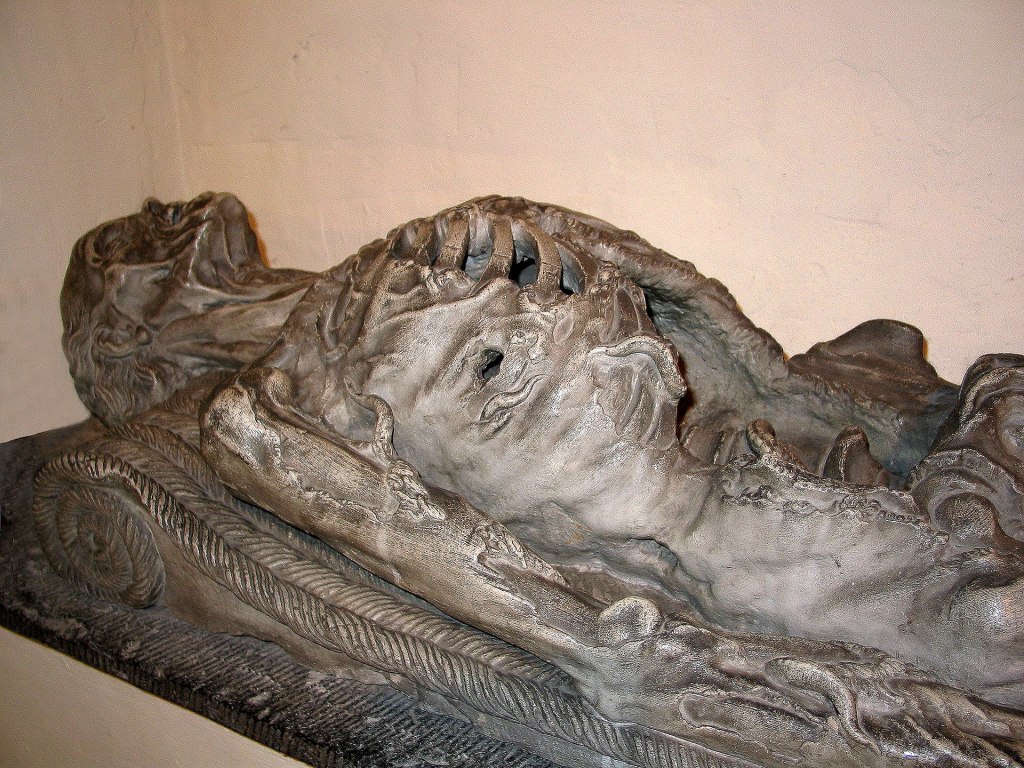
Transi tomb example from Boussu, Belgium (16th century) 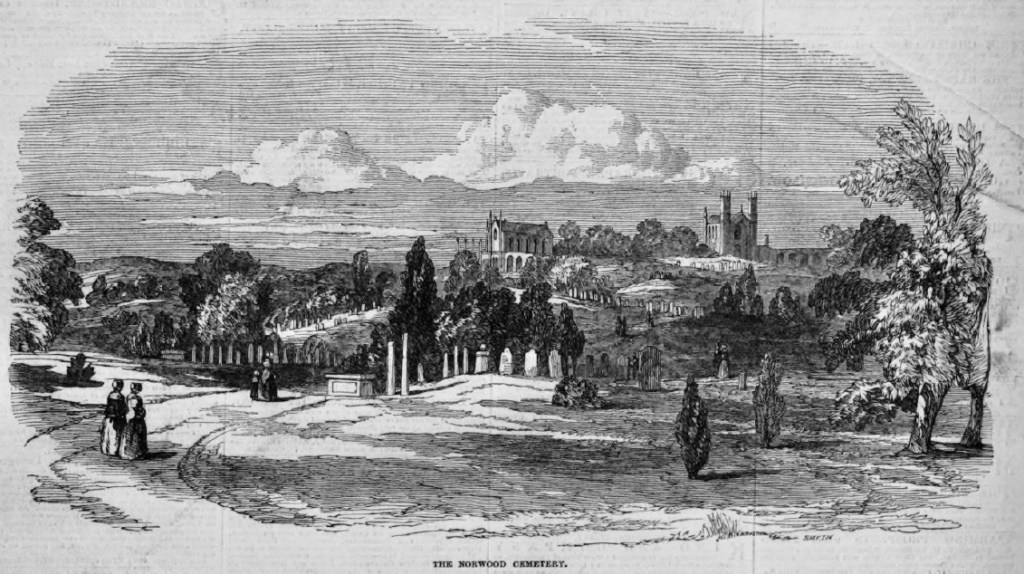
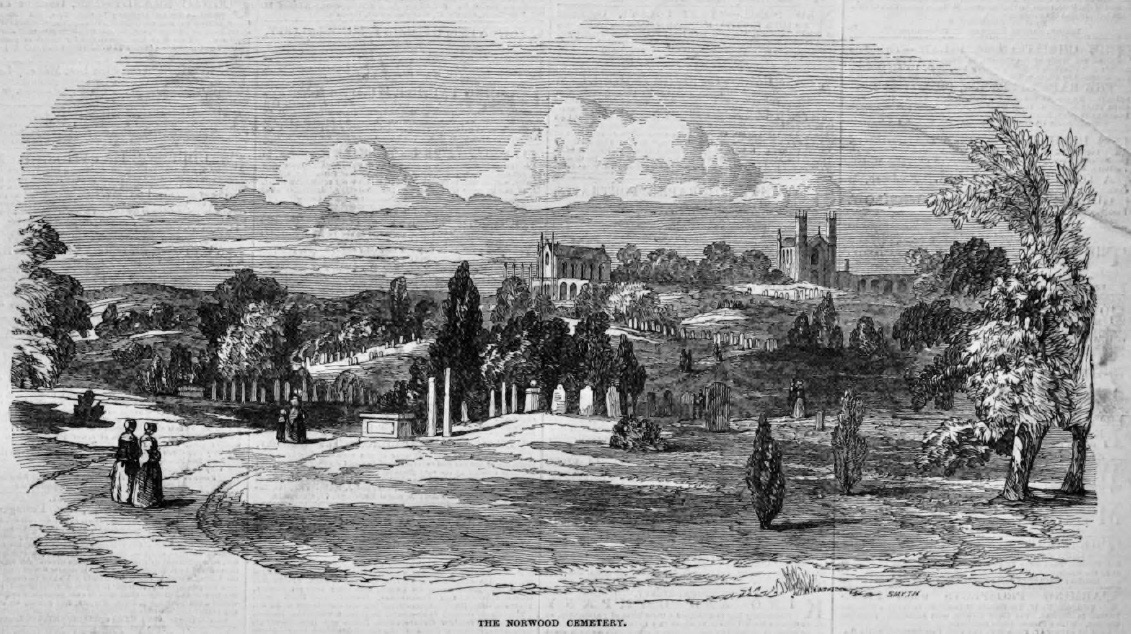
Victorian garden cemeteries example: Norwood cemetery (1849) 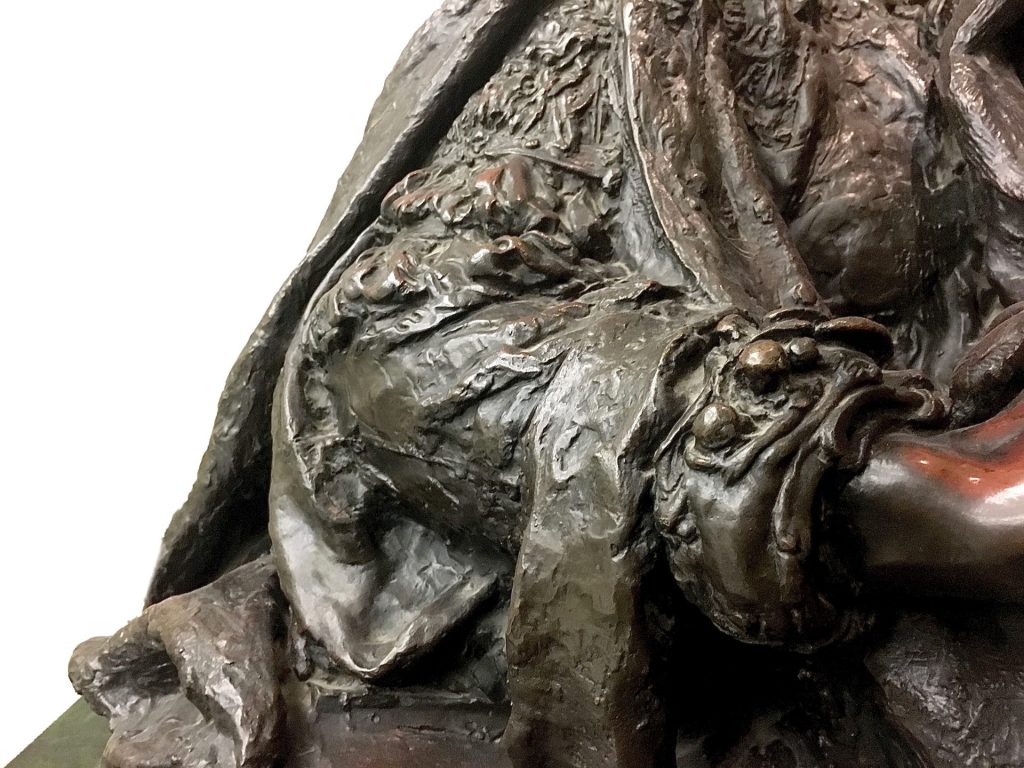
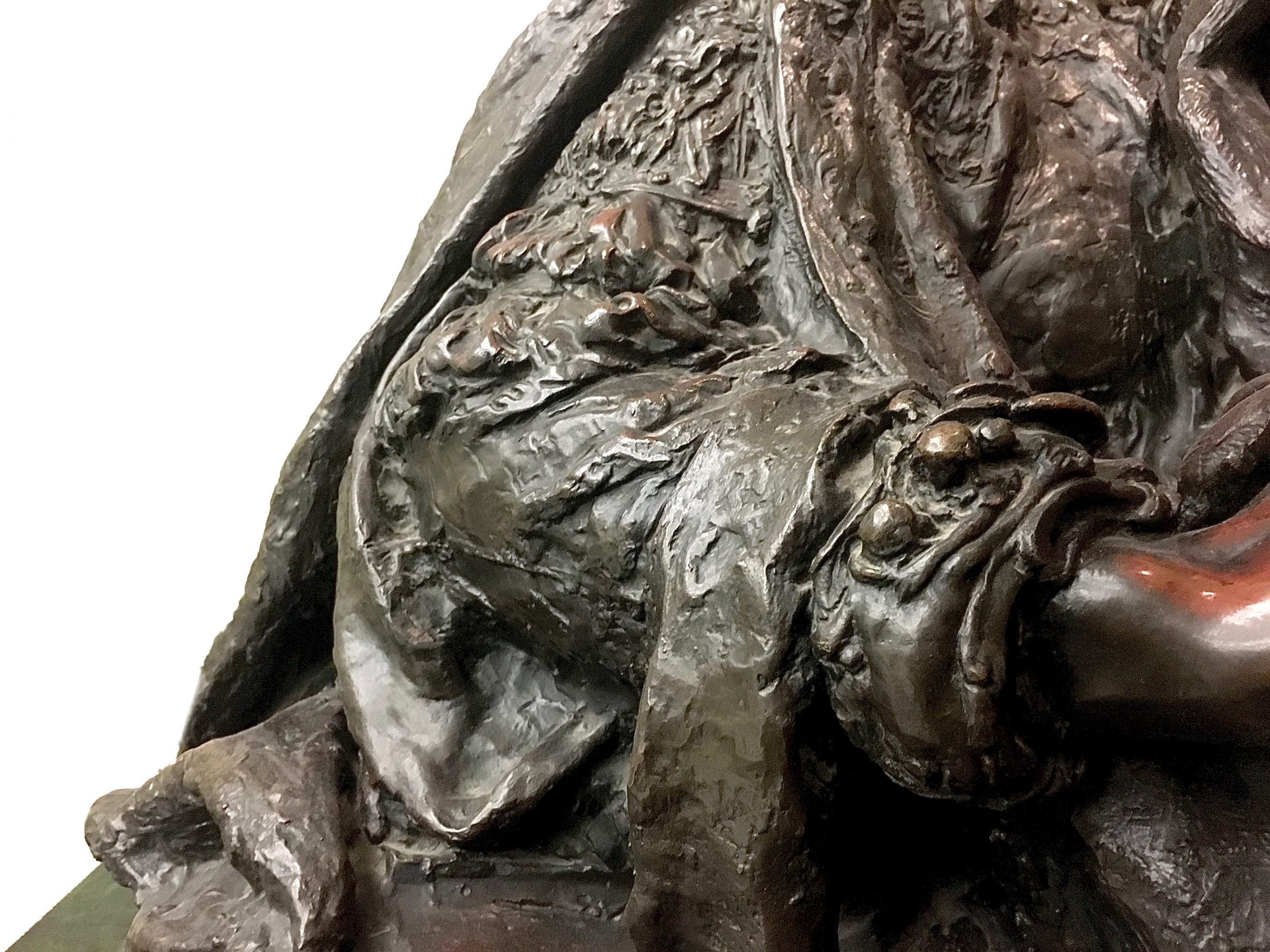
Alfred Gilbert, Mors Janua Vitae: mushrooms or people? 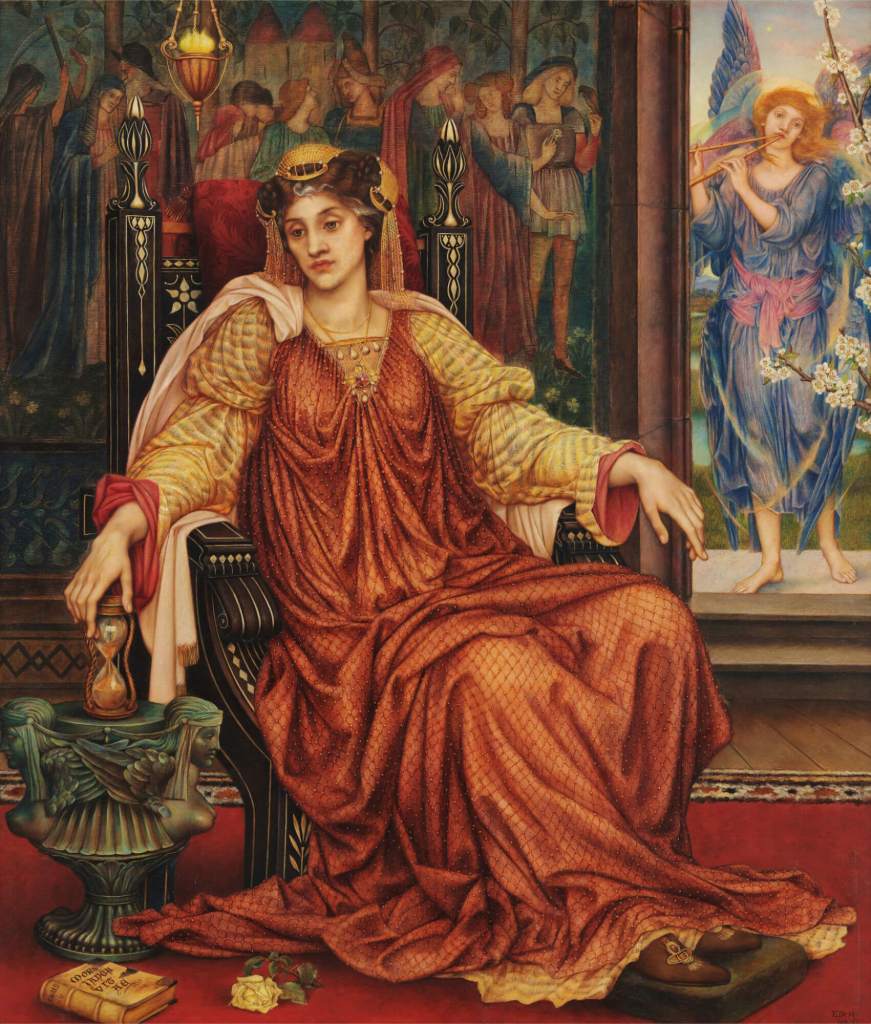
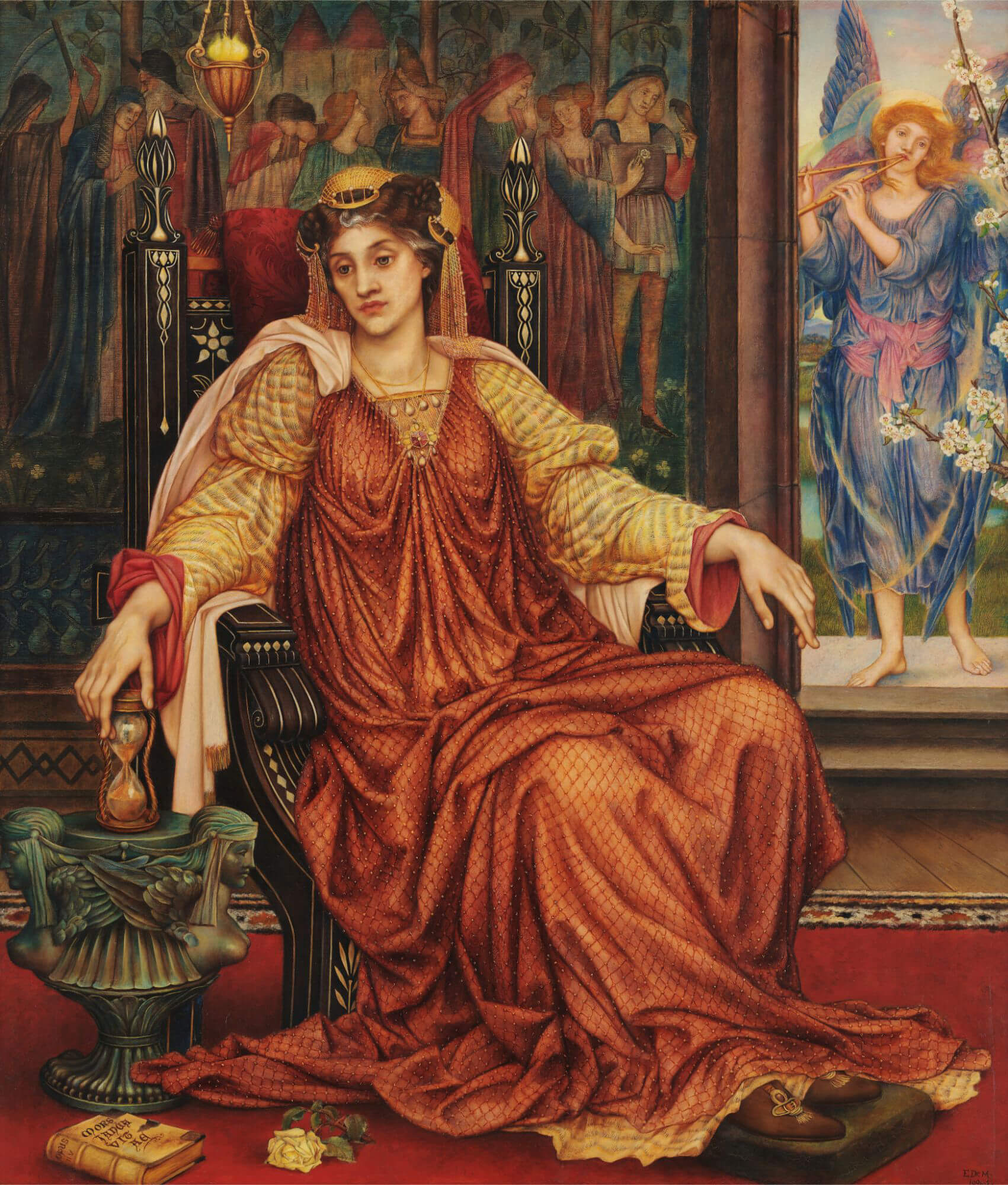
Spiritualist painting referencing ‘Mors Janua Vitae’ (written on the book on the floor): Evelyn De Morgan, The Hourglass (1904) 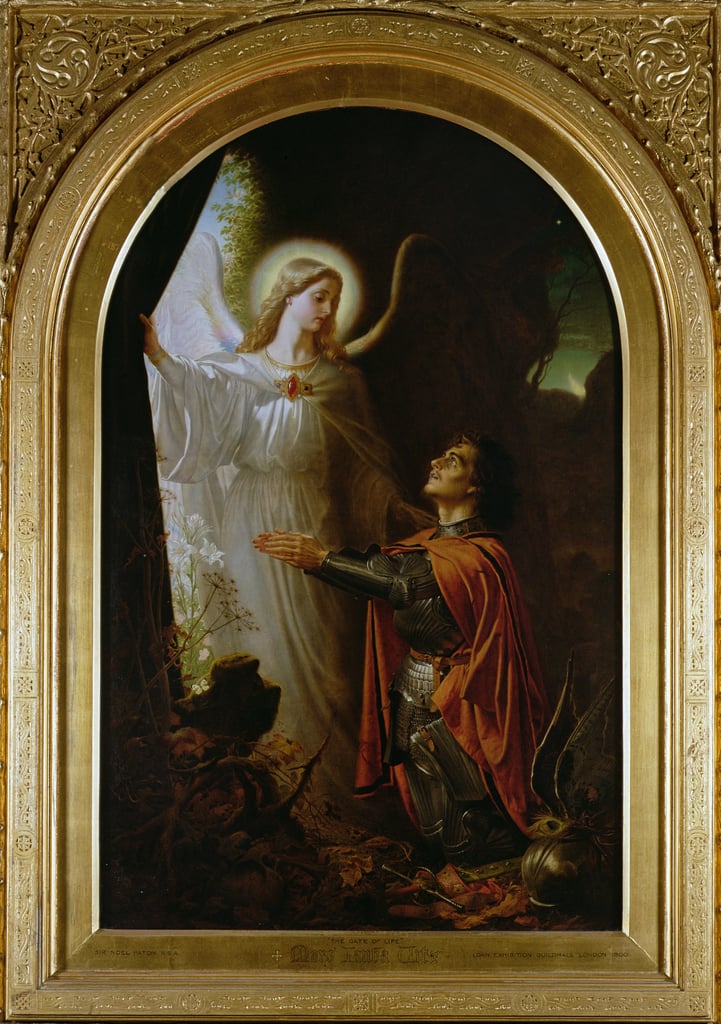
Joseph Noel Paton, Mors Janua Vitae (1866) 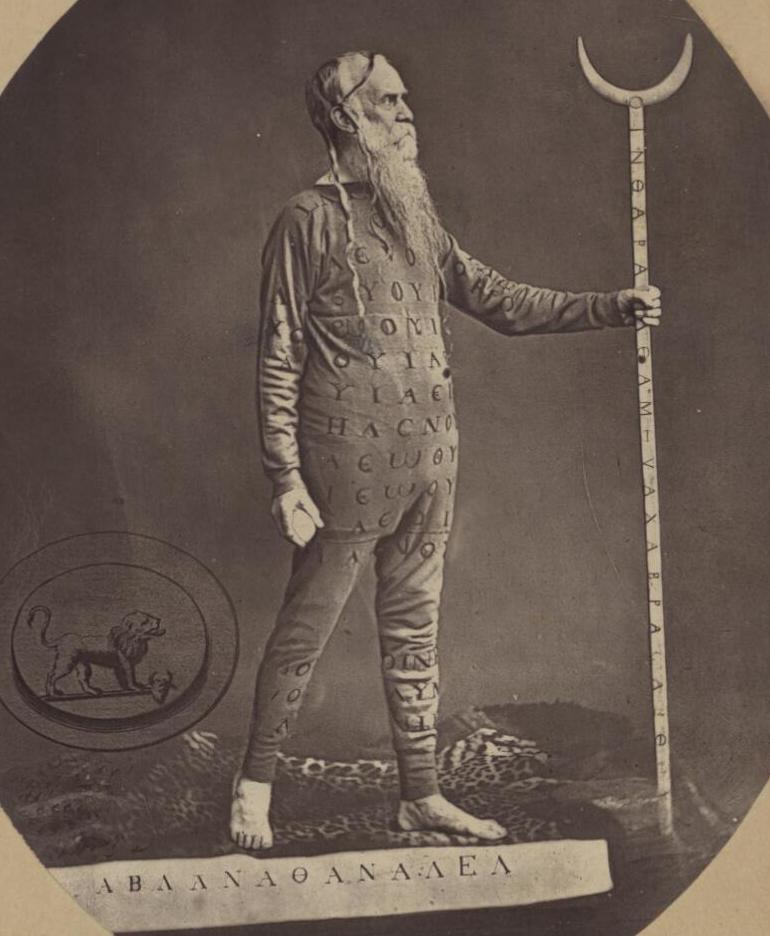
Photograph of Dr William Price (1884) 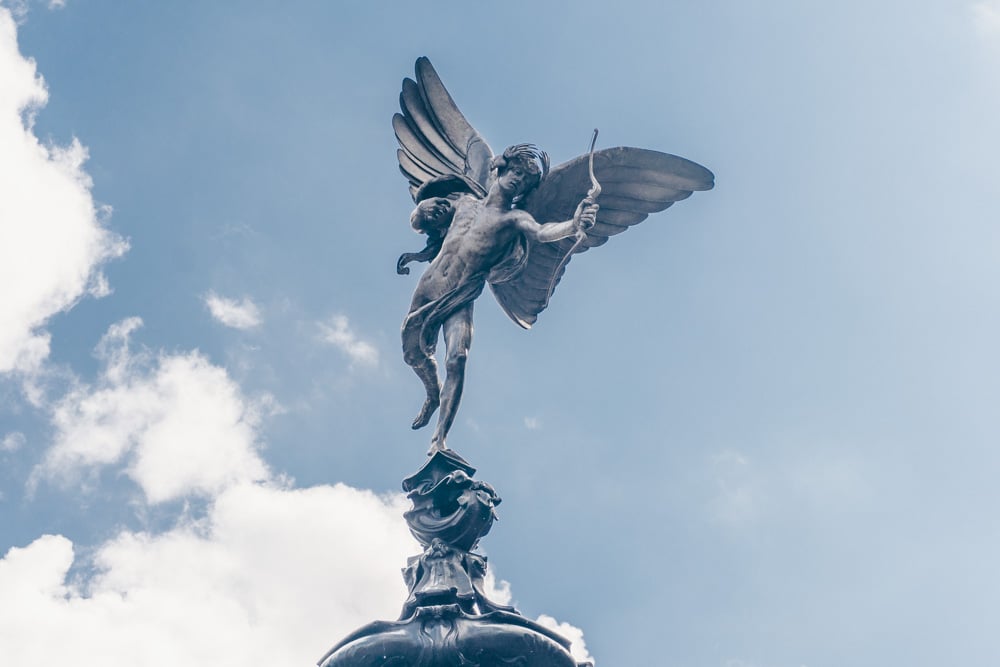
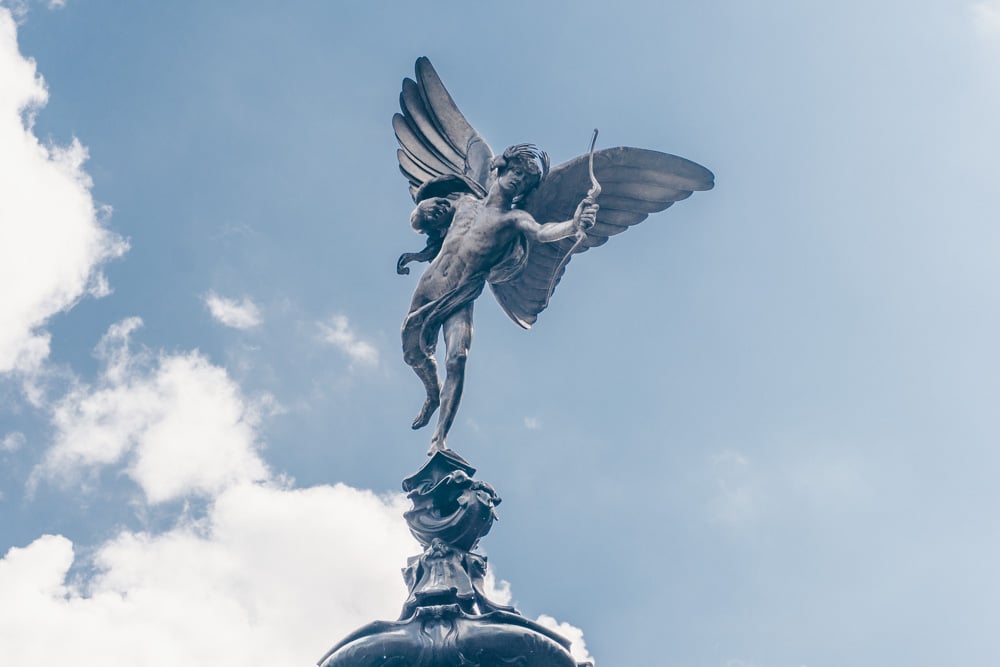
Alfred Gilbert, Anteros, in Picadilly Circus (1893)
listen on Spotify
listen on Apple Podcasts
Emma and Christy look at Alfred Gilbert’s sculpture Mors Janua Vitae (c. 1905–1907) at the Royal College of Surgeons, London — a life-sized bronze which houses the remains of the couple Edward and Eliza Macgloghlin. We talk relics and transi tombs; Victorian atheism and the history of unbelief; cremation, miasma, and lead-lined coffins; books bound in human skin; Victorian sex (and free love!); affairs between artists and patrons; Welsh druids; paganism; birth control and the throuple; infidel feminism; and abolishing the family.
MEDIA DISCUSSED
Alfred Gilbert, Mors Janua Vitae (c. 1905–1907)
Henry Weekes, John Hunter (1864)
Etruscan couple tomb: The Sarcophagus of the Spouses (c. 530–510 BCE)
Alfred Gilbert, Mors Janua Vitae detail: panel
Alfred Gilbert, Mors Janua Vitae detail: ‘baby angel’
Examples of G. F. Watts paintings: She Shall Be Called Woman (c. 1875–92); Orpheus and Euridice (exh. 1890)
Photograph of the lobby of the Royal College of Surgeons, from Artistic Possessions at the Royal College of Surgeons of England (1967)
Alfred Gilbert, plaster (and wood) version of Mors Janua Vitae, exhibited 1907
Alfred Gilbert, The Virgin (1884)
Relic example: the bones of St Valentine, Basilica of Santa Maria, Rome
Relic example: the Veil of Veronica (cloth said to have wiped Christ’s face on the way to the crucifixion), Vatican version
Nineteenth-century mourning jewellery made with hair of the deceased
Case containing William Morris’s hair, by Robert Catterson Smith and Charles James Fox (1896–97)
Transi tomb example from Boussu, Belgium (16th century)
Victorian garden cemeteries example: Norwood cemetery (1849)
Alfred Gilbert, Mors Janua Vitae detail: mushrooms or people?
Spiritualist painting referencing ‘Mors Janua Vitae’ (written on the book on the floor): Evelyn De Morgan, The Hourglass (1904)
Joseph Noel Paton, Mors Janua Vitae (1866)
Photograph of Dr William Price (1884)
Alfred Gilbert, Anteros, in Piccadilly Circus (1893)
REFERENCES
All letters and unpublished poems by Eliza Macgloghlin and Alfred Gilbert are quoted with kind permission from the Royal College of Surgeons archives
Victor Negus, Artistic Possessions at the Royal College of Surgeons of England (London: E. & S. Livingstone, 1967)
Rudolf Dircks, ‘Royal Academy Exhibition, 1907’, Art Journal, July 1907, pp. 193–207
Deborah Lutz, Relics of Death in Victorian Literature and Culture (New York: Cambridge University Press, 2015)
Philippe Ariès, The Hour of Our Death (New York: Knopf, 1981)
Interview with Carolin Kosuch about her new book
Charles Knowlton, The Fruits of Philosophy (1832), republished by Annie Besant and Charles Leadbeater in 1877
Sophie Lewis, Abolish the Family: A Manifesto for Care and Liberation (London: Verso, 2022)
E. P. Macloghlin, ‘The Fruits of Philosophy’, Provincial Medical Journal 4.46 (October 1885)
Laura Schwartz, Infidel Feminism: Secularism, Religion and Women’s Emancipation, England, 1830–1914 (Manchester: Manchester University Press, 2013)
Richard Dorment, ‘The Loved One: Alfred Gilbert’s Mors Janua Vitae’, in Victorian High Renaissance: George Frederic Watts 1817–1904, Frederic Leighton 1830–96, Albert Moore 1841–93, Alfred Gilbert 1854–1934: An Exhibition (Minneapolis: The Minneapolis Institute of Arts, 1978), pp. 42–52
Edward Percy Plantagenet Macglochlin, Deliberate Writings, with a preface, memoir, and appendix by his wife, Eliza Macloghlin (privately printed, 1906)
For Gilbert on Eros and Anteros, see Joseph Hatton, ‘The Life and Work of Alfred Gilbert’, The Art Journal (1903)
Dickie Orpen, Sketchbook #9 (12 March 1943), in the Archive of the British Association of Plastic, Reconstructive, and Aesthetic Surgeons (RCS)
Brian Morgan, “The BAPRAS Archive,” in A. Roger Green Ed., BAPS to BAPRAS: The History of the Association 1986-2016 (London: The British Association of Plastic, Reconstructive, and Aesthetic Surgeons, 2016)
FURTHER READING
Patrick J. Corbeil, Empire and Progress in the Victorian Secularist Movement: Imagining a Secular World (Cham: Palgrave Macmillan, 2022)
Margaret Cox, Grave Concerns: Death and Burial in England 1700 to 1850 (York: Council for British Archaeology, 1998)
Jason Edwards, Alfred Gilbert’s Aestheticism: Gilbert Amongst Whistler, Wilde, Leighton, Pater and Burne-Jones (London and New York: Routledge, 2016)
Charles Freeman, Holy Bones, Holy Dust: How Relics Shaped the History of Medieval Europe (New Haven: Yale University Press, 2011)
David J. Getsy, Body Doubles: Sculpture in Britain, 1877–1905 (New Haven: Yale University Press, 2004)
Keren Hammerschlag, ‘Eliza Macloghlin and Alfred Gilbert’s ‘”Mors janua vitae”’, The Burlington Magazine, 159.1376 (November 2017)
Mary Elizabeth Hotz, Literary Remains: Representations of Death and Burial in Victorian England (Albany: State University of New York Press, 2009)
Carolin Kosuch, ‘A Secular Corpse? Tracing Cremation in Nineteenth-Century Italy and Germany’ in Secular Bodies, Affects and Emotions: European Configurations, ed. by Monique Scheer et al. (London: Bloomsbury, 2019), pp. 31–42
Jennifer Leaney, ‘Ashes to Ashes: Cremation and the Celebration of Death in Nineteenth-Century Britain’, in Death, Ritual, and Bereavement, ed. by Ralph Houlbrooke (London: Routledge, 1989), pp. 118–135
Emma Merkling, ‘Eros, Thanatos, and the Throuple: Alfred Gilbert’s Mors Janua Vitae (1908)’, blog for The Courtauld’s Gender & Sexuality Research Group (12 August 2020)
Julie Rugg, ‘Constructing the Grave: Competing Burial Ideals in Nineteenth-Century England’, Social History 38.3 (2013), 328–45
David Nash, ‘Atheism and Secularization’, Oxford Bibliographies (2013)
David Nash, ‘”Look in Her Face and Lose Thy Dread of Dying”: The Ideological Importance of Death to the Secularist Community in Nineteenth‐Century Britain’, Journal of Religious History 19.2 (1995), 158–180
David Nash, ‘Reassessing the “Crisis of Faith” in the Victorian Age: Eclecticism and the Spirit of Moral Inquiry’, Journal of Victorian Culture 16.1 (2011), 65–82
Clare Stainthorp and Naomi Hetherington (eds), Nineteenth-Century Religion, Literature, and Culture, Vol. 4 Disbelief and New Beliefs (Routledge, 2020)
This season of ‘Drawing Blood’ was funded in part by the Association for Art History.
Follow our Twitter @drawingblood_
‘Drawing Blood’ cover art © Emma Merkling
All audio and content © Emma Merkling and Christy Slobogin
Intro music: ‘There Will Be Blood’ by Kim Petras, © BunHead Records 2019. We’re still trying to get hold of permissions for this song – Kim Petras text us back!!
 Drawing Blood Podcast




%201866%20%20-%20(MeisterDrucke-260438).jpg)