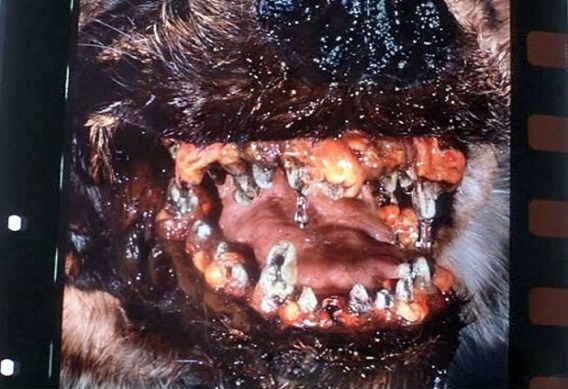
Season 3, Episode 1

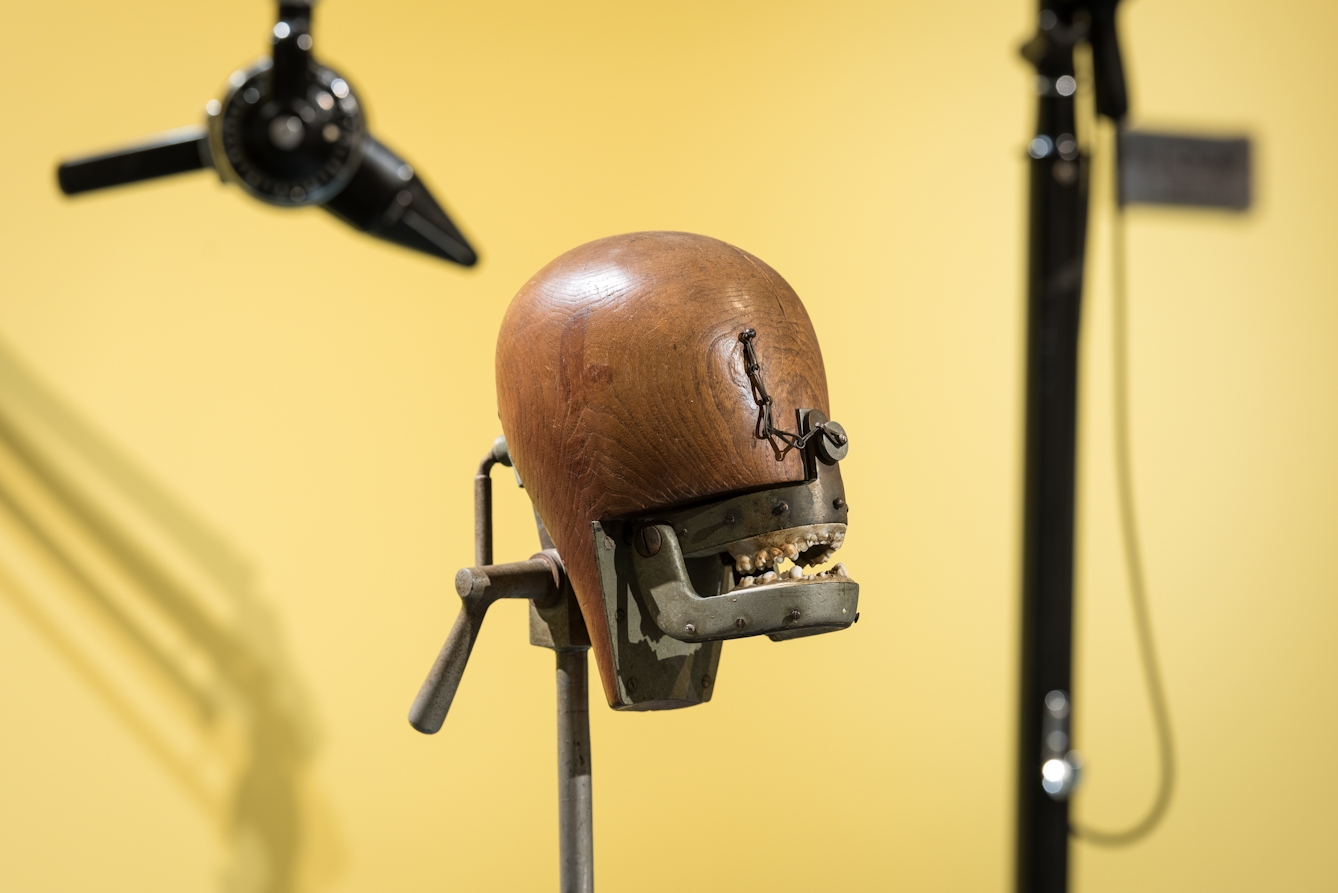
‘Mid-century Dental Phantom Head Model on Custom Stand’, view 1, Columbia Dentoform Corp of New York (c. 1960s) 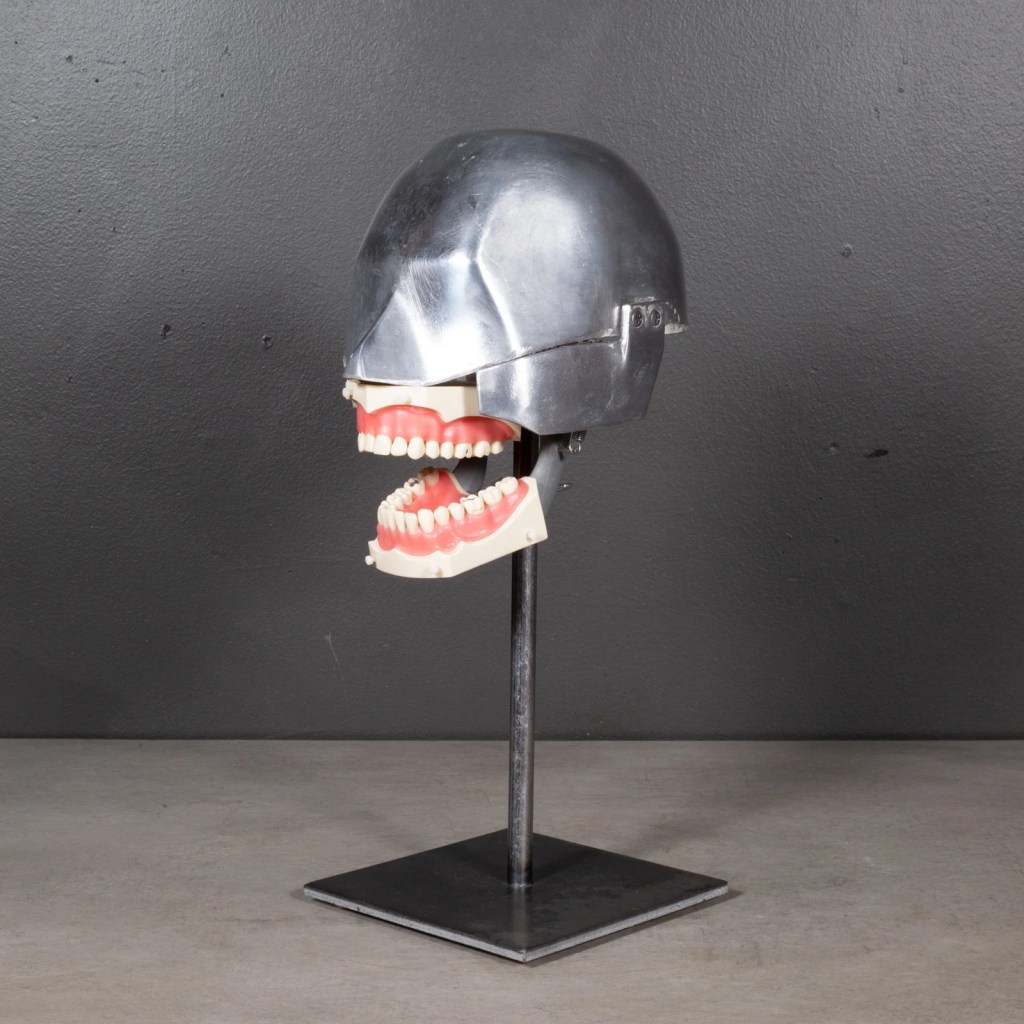
‘Mid-century Dental Phantom Head Model on Custom Stand’, view 2, Columbia Dentoform Corp of New York (c. 1960s) 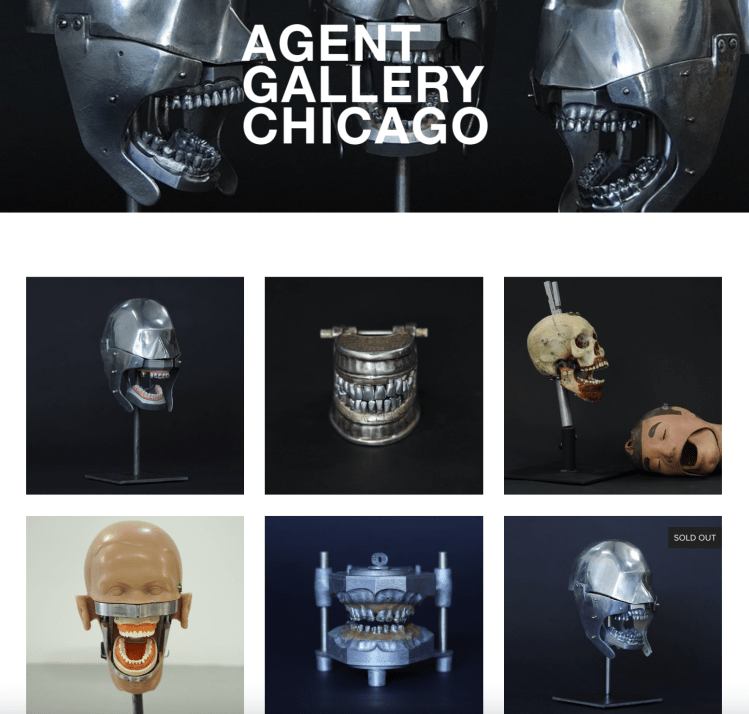
Agent Gallery Chicago, ‘Dental Phantoms’ 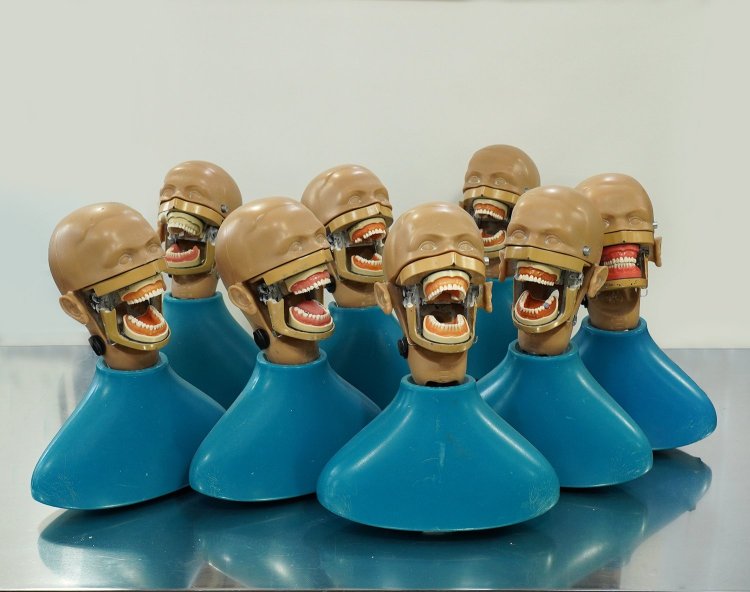
Agent Gallery Chicago, ‘Group of Dental Phantoms, KaVo Professional Dental Phantom Simulation’ (twentieth century) 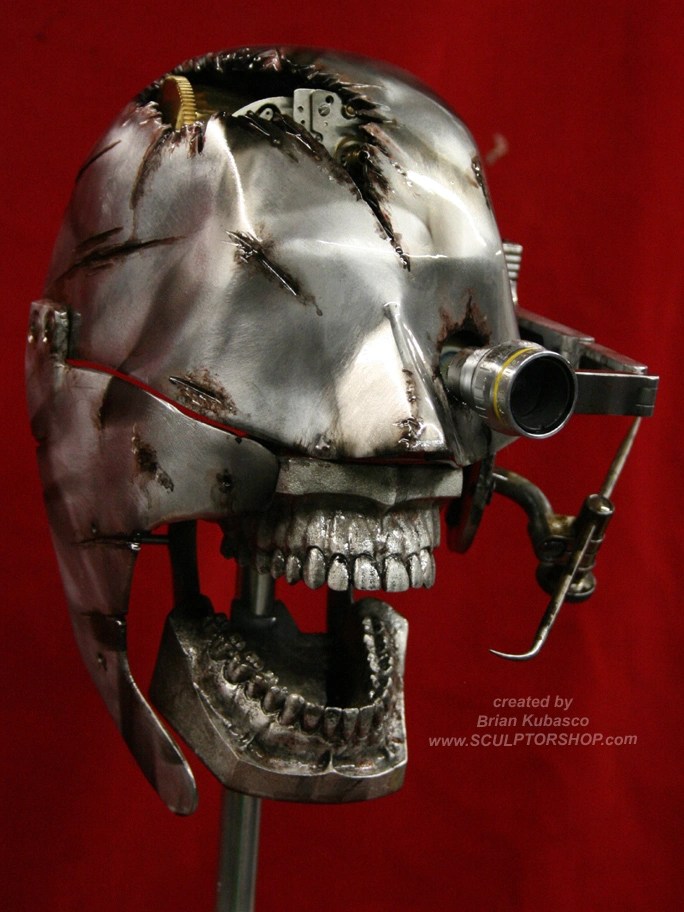
Brian Kubasco, ‘Steampunk Skull Dental Manikin Oxygen Version 6’ (2013) 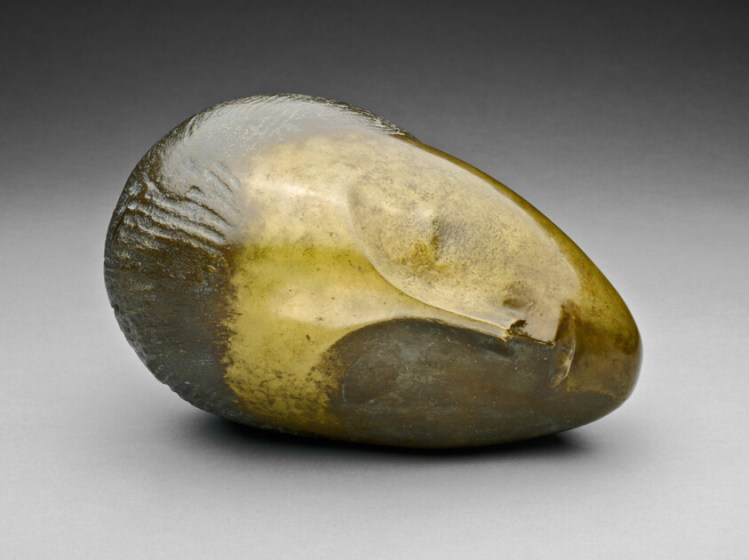
Constantin Brancusi, ‘Sleeping Muse’ (1910) 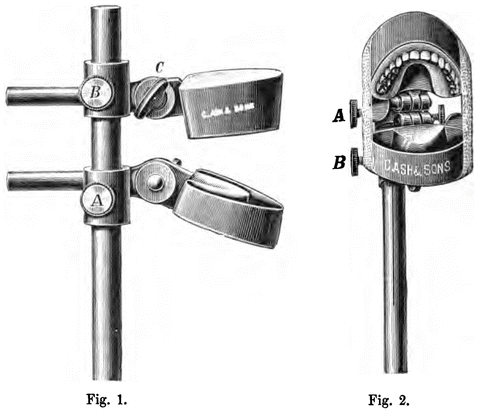
‘Teeth on a Stick’ Dental Phantom: E. Oswald Fergus, ‘Neue Erfindungen und Verbesserungen – Zahnaerztiliches Phantom’ (1894) 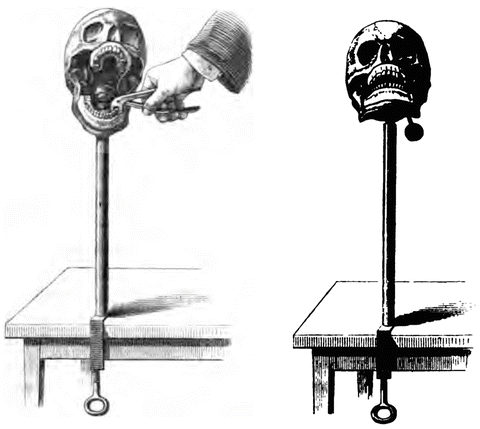
‘Skull’ Dental Phantom: Eduard Fleischer, Ein zahnaerztliches Phantom (1878) 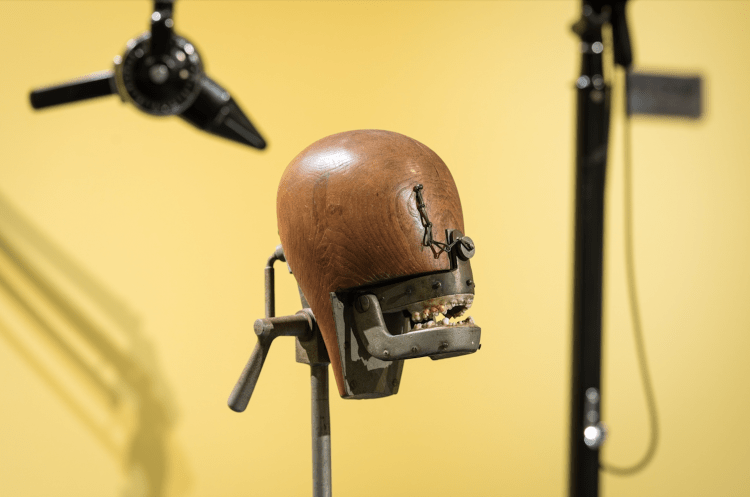
‘Wig Maker Model’ Dental Phantom: Utrecht University Museum Collection, Phantom Head (late 1800s) 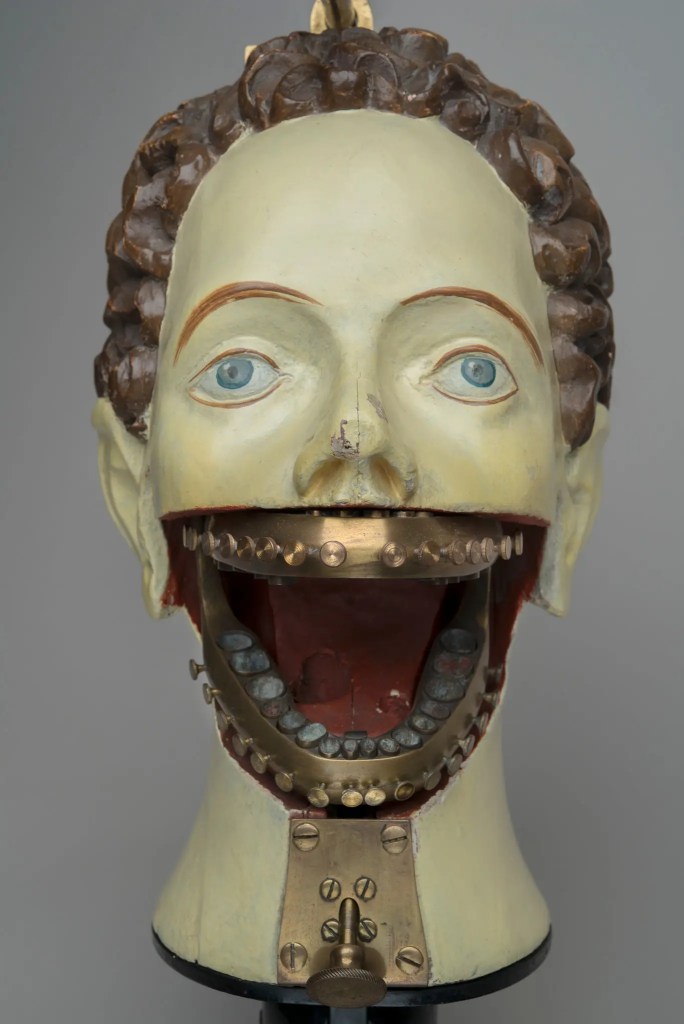
‘Realistic Face’ Dental Phantom: Utrecht University Museum Collection, Phantom Head (date unknown) 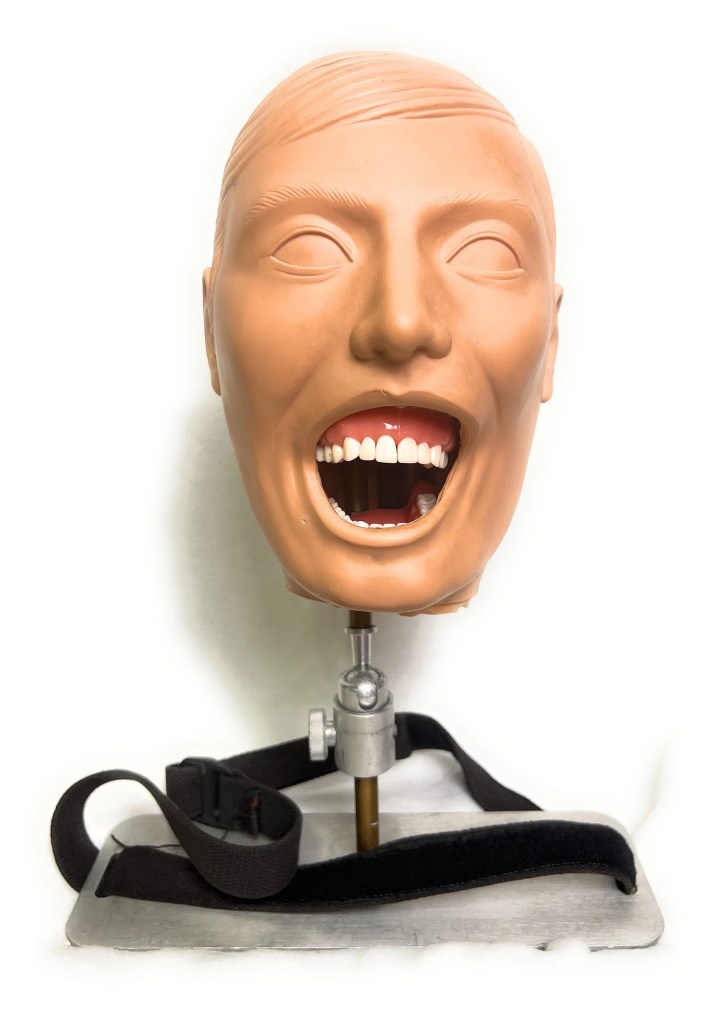
‘Realistic Face (contemporary)’ Dental Phantom: Unknown, Dental Phantom Head and Rubber Shroud (1990s) 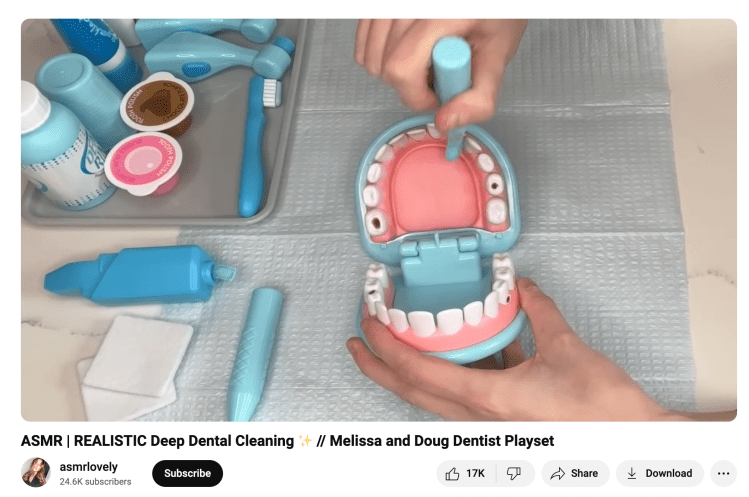
ASMR cavity removal example (2022) 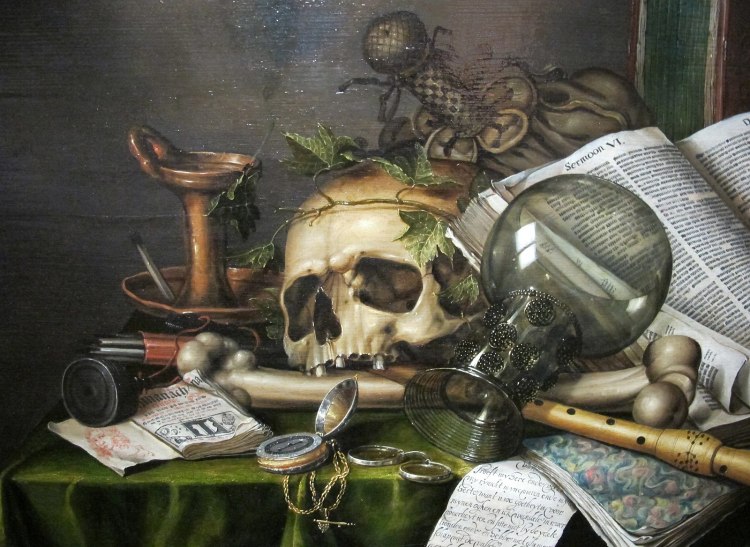
Example of memento mori painting: Edwaert Collier, ‘Vanitas’ (1663) 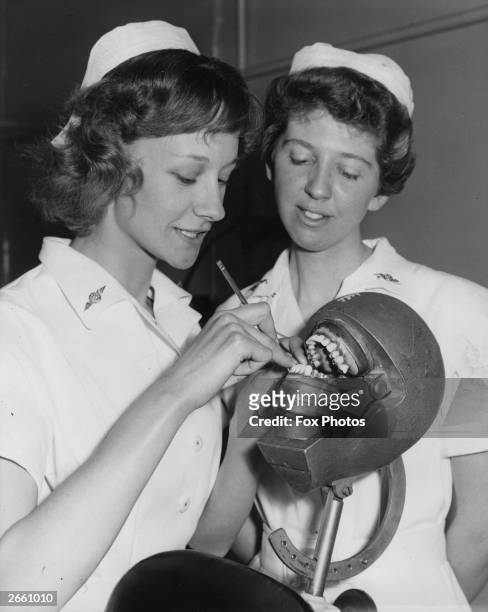
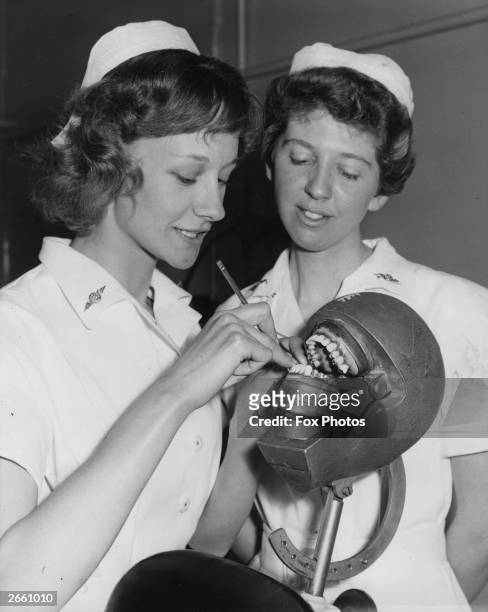
Fox Photos / Getty Images, ‘Two trainee dental hygienists operating on a dentist’s dummy’ (1960) 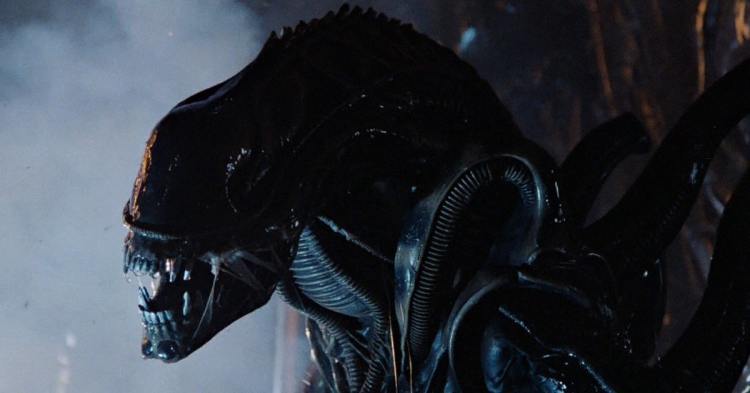
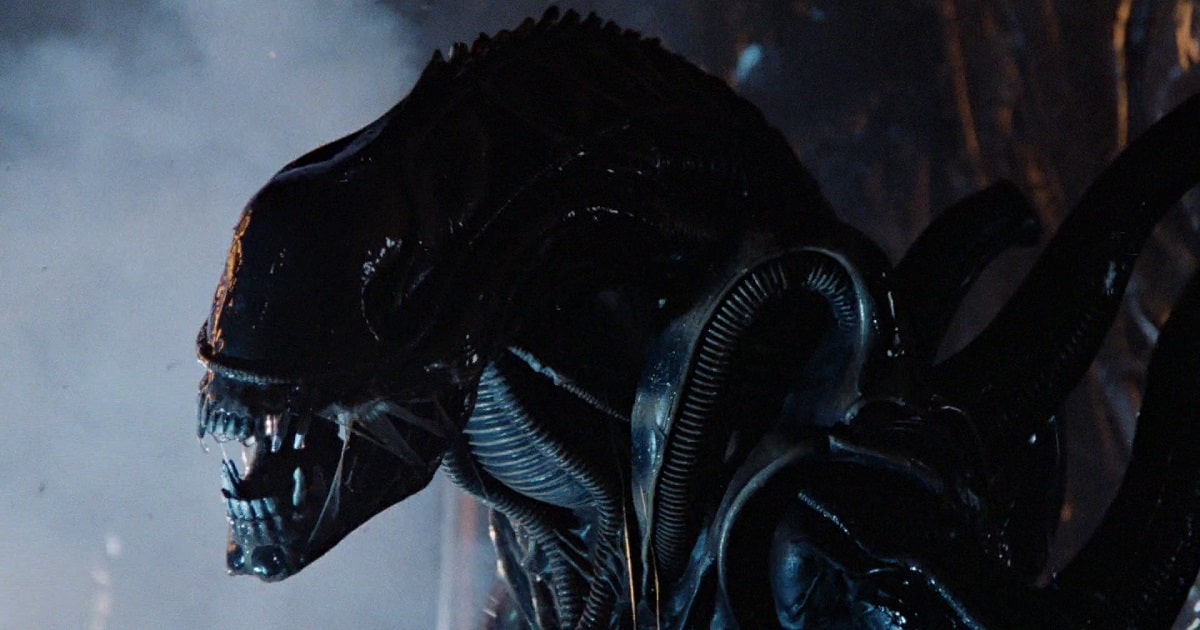
‘Xenomorph’ from the film ‘Alien’ (1979) 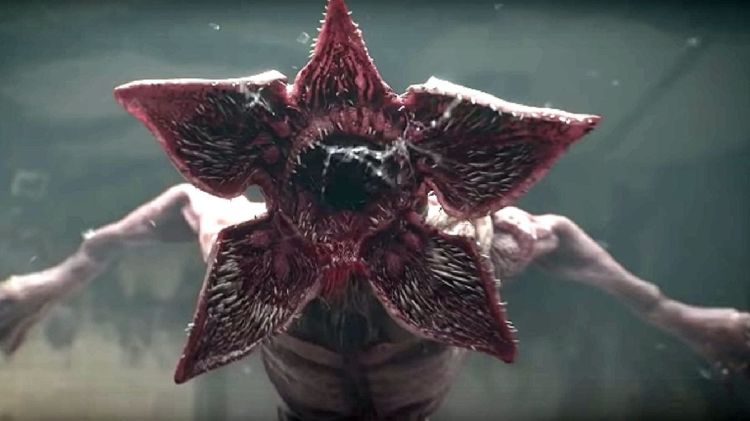
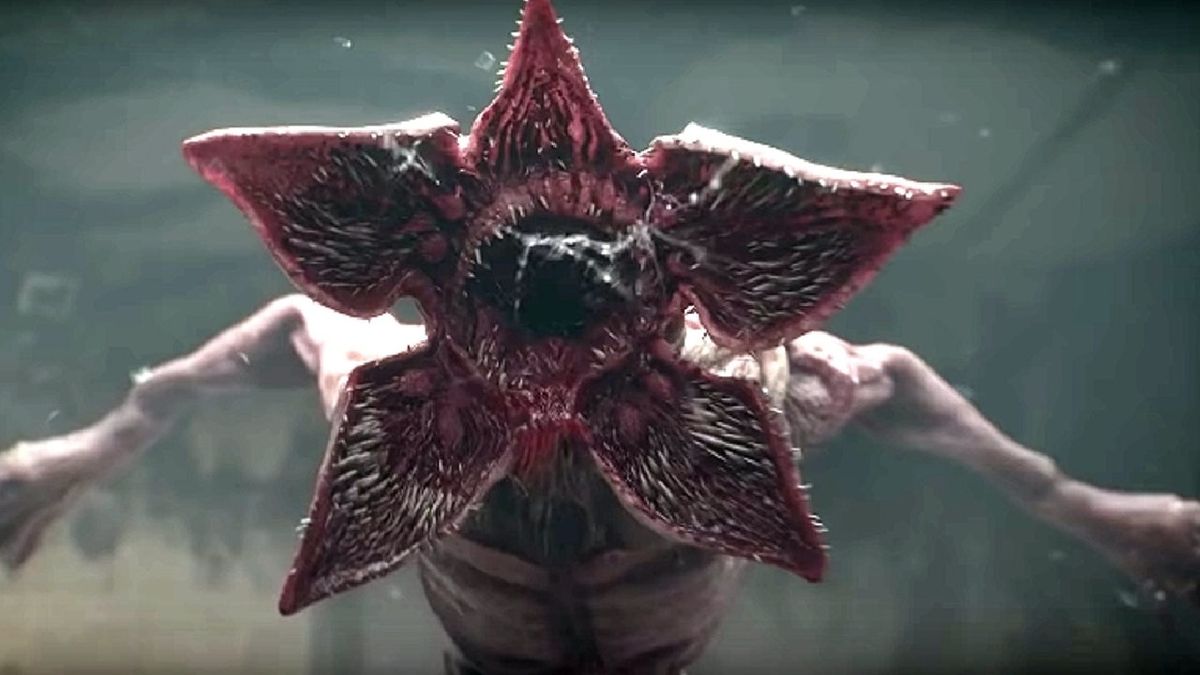
‘Demogorgon’ from the show ‘Stranger Things’ (2016) 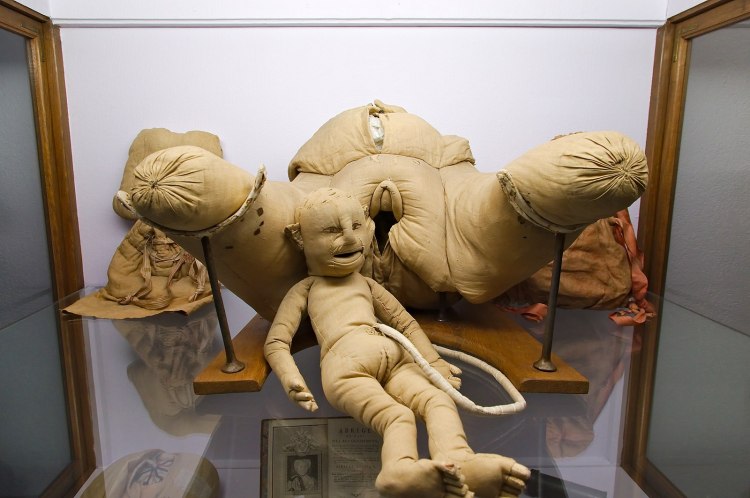
Madame du Coudray, ‘Obstetric Phantom / Machine’ (mid-eighteenth century) 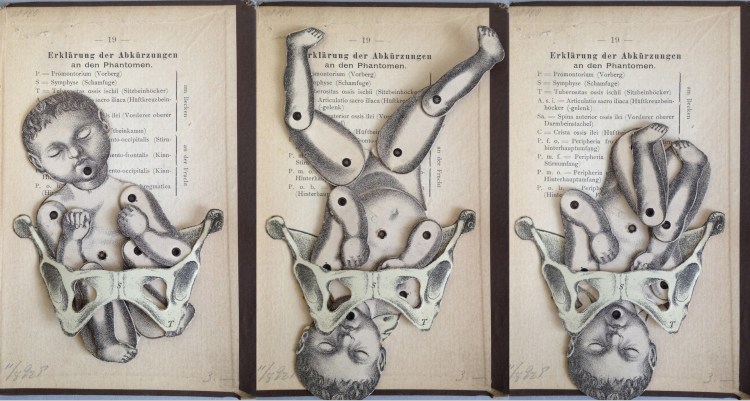
Koichi Shibata, ‘Geburtshülfliche Taschen-Phanome’ (1892) 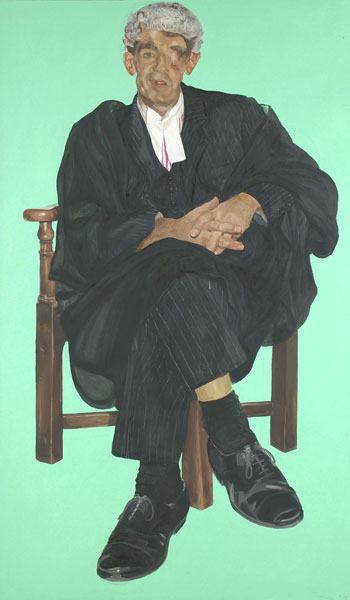
Example from Mark Gilbert’s ‘Saving Faces’ series (1999) 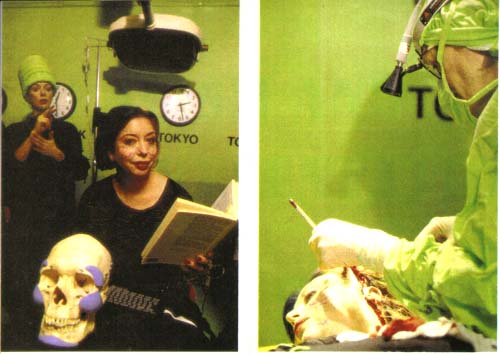
Stills from ORLAN’s ‘Surgical Series’ (1980s/1990s) 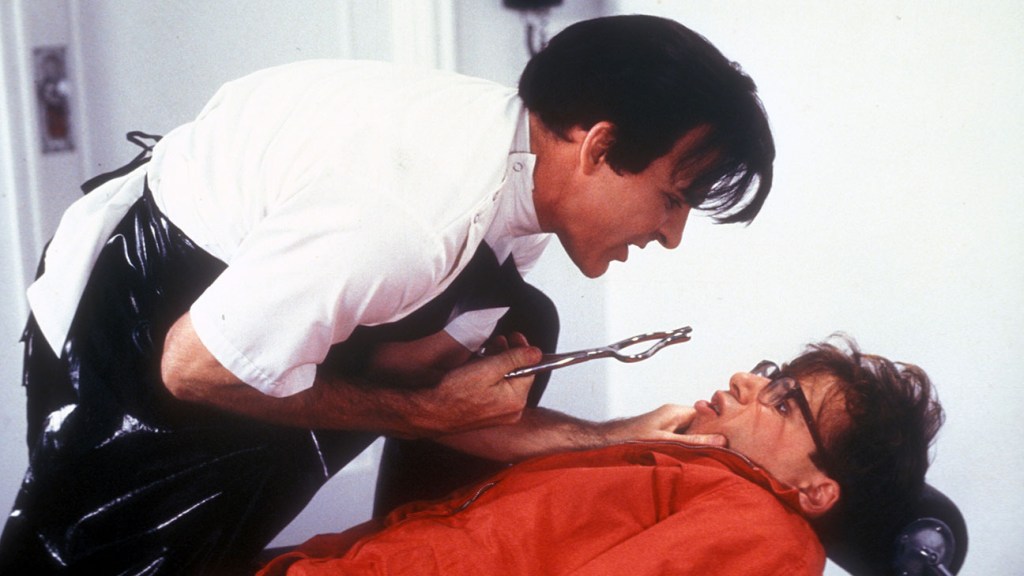
Steve Martin as the dentist from Little Shop of Horrors (1986) 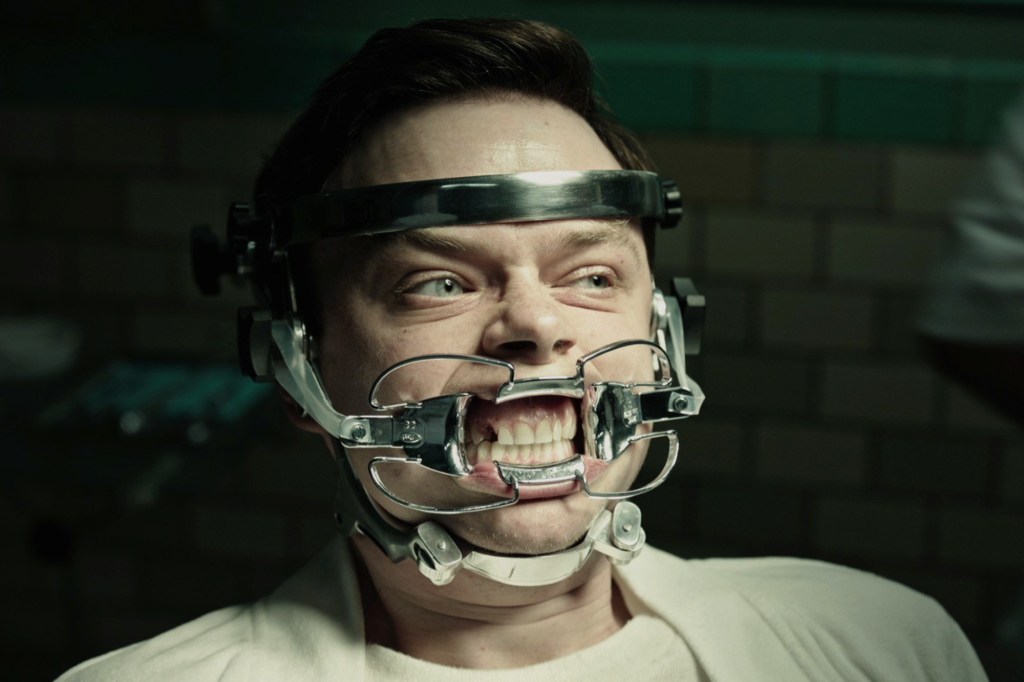
Dental scene from ‘A Cure for Wellness’ (2016) 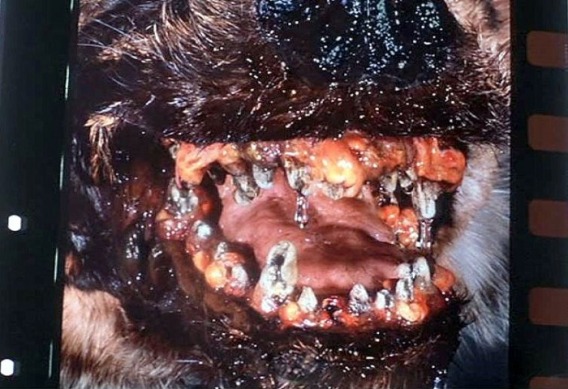
The animal mouth the dentist shows Seymour in ‘Little Shop of Horrors’ 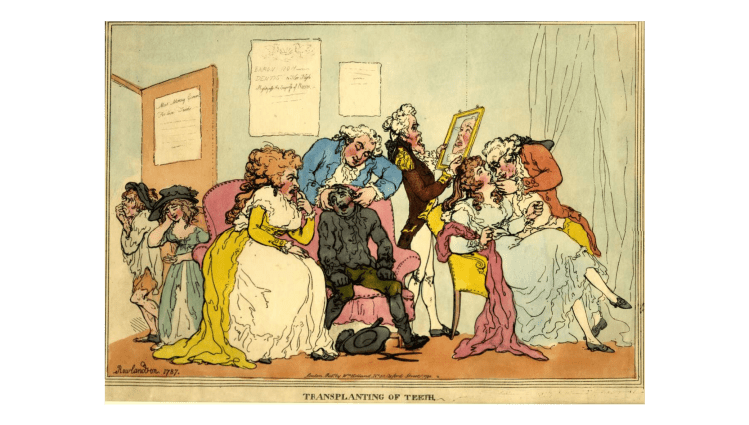
Thomas Rowlandson, ‘Transplanting of Teeth’ (1787)
listen on Spotify
listen on Apple Podcasts
Emma and Christy look at dental phantoms — terrifying but ubiquitous tools in dental education since the nineteenth century that feature humanoid heads made out of metal or wood, and a gaping mouth full of teeth. With these objects as our starting point, we talk about why dentists and dentistry are so scary, collectors of vintage medical devices, mouth erotics, the history of simulation and ‘machines’ in medical education, ghosts of the face and the word ‘phantom’, faciality and animality, face transplants and facelessness, dental horror (particularly Little Shop of Horrors) and fetish, and teeth as ‘luxury bones.’
MEDIA DISCUSSED
Columbia Dentoform Corp of New York, Mid-century Dental Phantom Head Model on Custom Stand (c. 1960s)
Agent Gallery Chicago, ‘Dental Phantoms’
Agent Gallery Chicago, Group of Dental Phantoms, KaVo Professional Dental Phantom Simulation (twentieth century)
Brian Kubasco, Steampunk Skull Dental Manikin Oxygen Version 6 (2013)
Constantin Brancusi, Sleeping Muse (1910)
‘Teeth on a Stick’ Dental Phantom: E. Oswald Fergus, ‘Neue Erfindungen und Verbesserungen – Zahnaerztiliches Phantom’ (1894)
‘Skull’ Dental Phantom: Eduard Fleischer, Ein zahnaerztliches Phantom (1878)
‘Wig Maker Model’ Dental Phantom: Utrecht University Museum Collection, Phantom Head (late 1800s)
‘Realistic Face’ Dental Phantom: Utrecht University Museum Collection, Phantom Head (date unknown)
‘Realistic Face (contemporary)’ Dental Phantom: Unknown, Dental Phantom Head and Rubber Shroud (1990s)
ASMR cavity removal example (2022)
Example of memento mori painting: Edwaert Collier, Vanitas (1663)
Fox Photos / Getty Images, ‘Two trainee dental hygienists operating on a dentist’s dummy’ (1960)
‘Xenomorph’ from the film Alien (1979)
‘Demogorgon’ from the show Stranger Things (2016)
Madame du Coudray, Obstetric Phantom / Machine (mid-eighteenth century)
Koichi Shibata, Geburtshülfliche Taschen-Phanome (1892)
Kevin James Thornton video: Tammy the Face Ghost (2024)
Mark Gilbert, ‘Saving Faces’ series (1999)
ORLAN, Surgical Series (1980s/1990s)
Frank Oz, dir., ‘Dentist!’ from Little Shop of Horrors (1986)
Gore Verbinski, dir., Dental Scene and Mouth Scene from A Cure for Wellness (2016)
The animal mouth the dentist shows Seymour in Little Shop of Horrors
Thomas Rowlandson, Transplanting of Teeth (1787)
REFERENCES
Stephen Joy, ‘Open Wide! An Oral Examination of Thomas Mann’s Early Fiction,’ German Life and Letters 60, no. 4 (October 2007): 467-80.
Sarah Laskow, ‘The Artist Who Sees Vintage Medical Devices as Sculpture,’ Atlas Obscura (November 20, 2017)
Oswald Fergus, ‘Dental “Phantom” for the use of Students and Demonstrators,” The Journal of the British Dental Association 15 (1894): 528-31.
Margaret Carlyle, ‘Phantoms in the Classroom: Midwifery Training in Enlightenment Europe,’ Know: A Journal on the Formation of Knowledge 2, no. 1 (2018):111-36.
Example of work by Rebecca Whiteley (work on obstetric phantoms and paper dolls forthcoming): Rebecca Whiteley, Birth Figures: Early Modern Prints and the Pregnant Body (Chicago: University of Chicago Press, 2023)
Sigmund Freud, The Interpretation of Dreams, 3rd edn (New York: Macmillan, 1913)
Mikhail Bakhtin, Rabelais and His World, trans. Helene Iswolsky (Cambridge and London: MIT Press, 1968), 317.
Oliver Sack, ‘Clinical Curios: Phantom Faces,’ British Medical Journal 304 (8 February 1992): 364.
Sigmund Freud, ‘The Uncanny’ (1919)
Gilles Deleuze, Francis Bacon: The Logic of Sensation, trans. Daniel W. Smith (London: Continuum, 2003); also Cinema I: The Movement-Image, trans. Hugh Tomlinson and Barbara Habberjam (London: Continuum, 1986)
Jenny Edkins, Face Politics (London: Routledge, 2015)
Slavoj Žižek, ‘The Neighbor in Burka’, The Symptom 11 (Spring 2010): n.p.
Rosemarie Garland-Thomson, Staring: How We Look (Oxford: Oxford University Press, 2009)
Sharrona Pearl, Face/On: Face Transplants and the Ethics of the Other (Chicago: The University of Chicago Press, 2017)
Johann Caspar Lavater, Essays on Physiognomy (1789)
FURTHER READING
Richard Barnett, The Smile Stealers: The Fine and Foul Art of Dentistry (London: Thames & Hudson, 2017)
Pam Lieske, ‘William Smellie’s Use of Obstetrical Machines and the Poor,’ Studies in Eighteenth-Century Culture 29 (2000): 65-86.
Harry Owen, ‘Simulation in Dentistry and Dental Hygiene,’ in Simulation in Healthcare Education: An Extensive History (Cham: Springer, 2016)
Elizabeth Stephens, ‘Re-Imagining the “Birthing Machine”: Art and Anatomy in Obstetric and Anatomical Models Made by Women,’ in Anatomy of the Medical Image: Knowledge Production and Transfiguration from the Renaissance to Today, edited by Axel Fleithmann and Christiane Weller, 74-94 (Leiden: Brill, 2021)
Follow our Twitter @drawingblood_
Follow our Blue Sky @drawingbloodpod.bsky.social
‘Drawing Blood’ cover art © Emma Merkling, image courtesy of the British Association of Plastic, Reconstructive, and Aesthetic Surgeons
All audio content © Emma Merkling and Christy Slobogin
Intro music: ‘There Will Be Blood’ by Kim Petras, © BunHead Records 2019. We’re still trying to get hold of permissions for this song – Kim Petras text us back!!
 Drawing Blood Podcast