Season 2, Episode 4
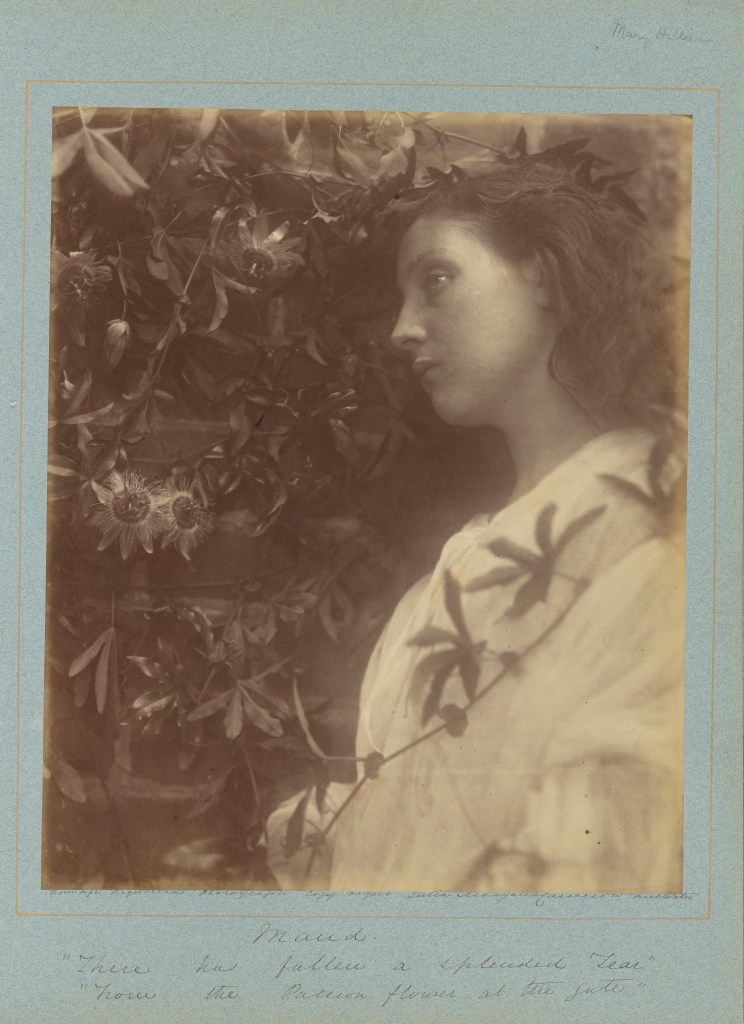
Julia Margaret Cameron, ‘Maud’ (c. 1874), image from Getty.edu 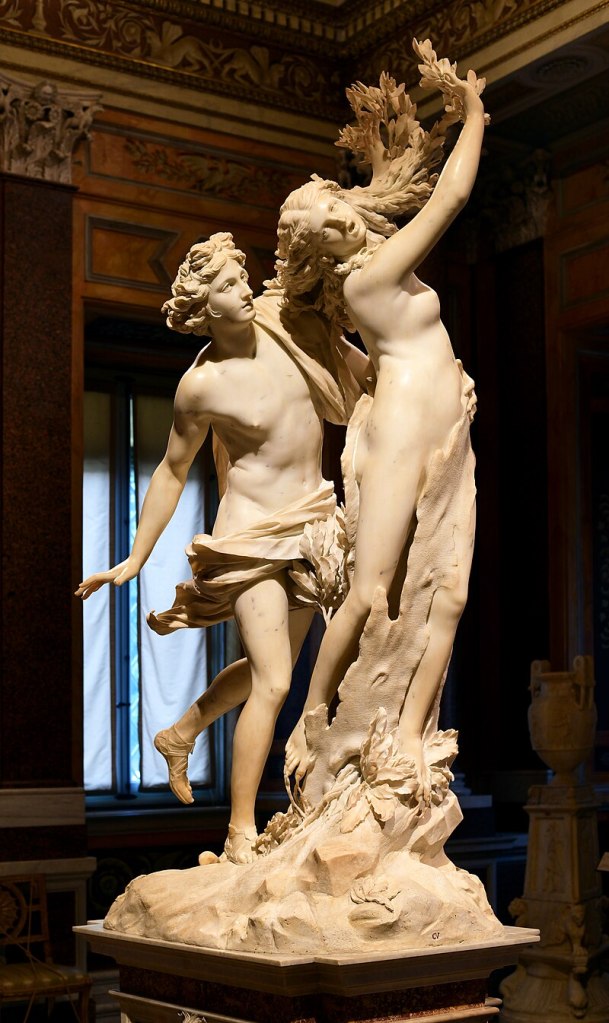
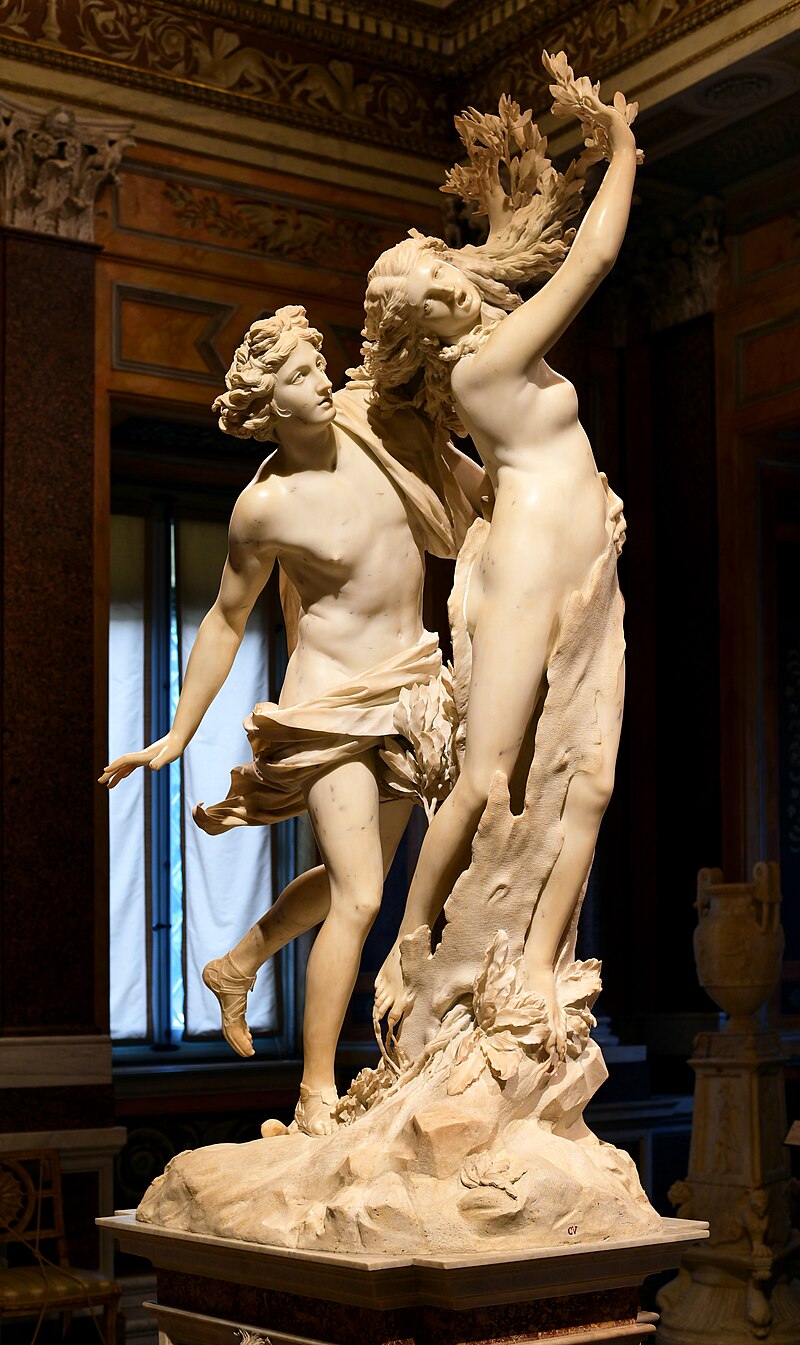
Bernini, ‘Apollo and Daphne’ (1622–25), image from Wikimedia Commons 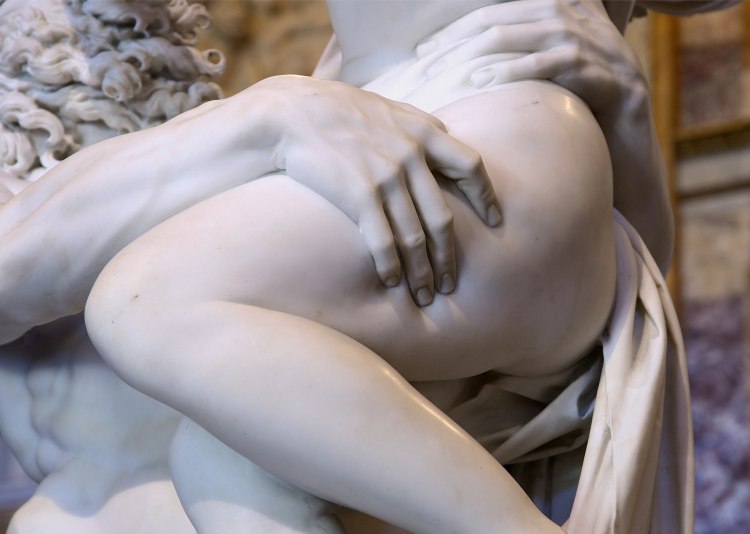
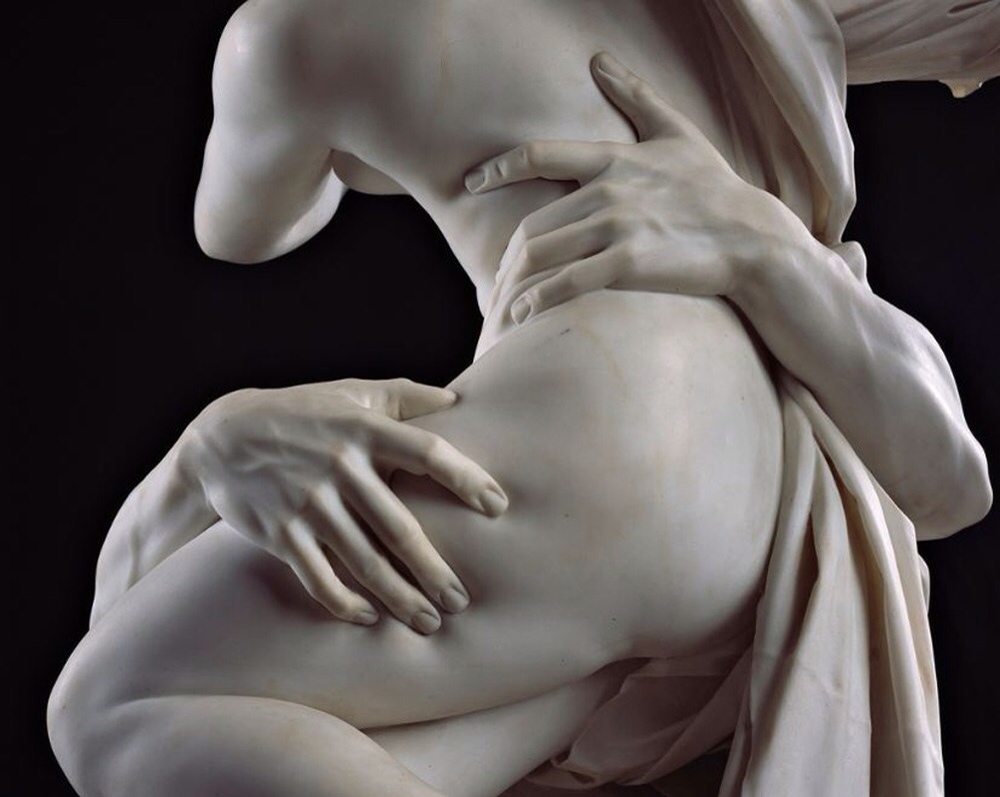
Bernini, detail from ‘Rape of Proserpina’ (1621–22), image from Wikimedia Commons 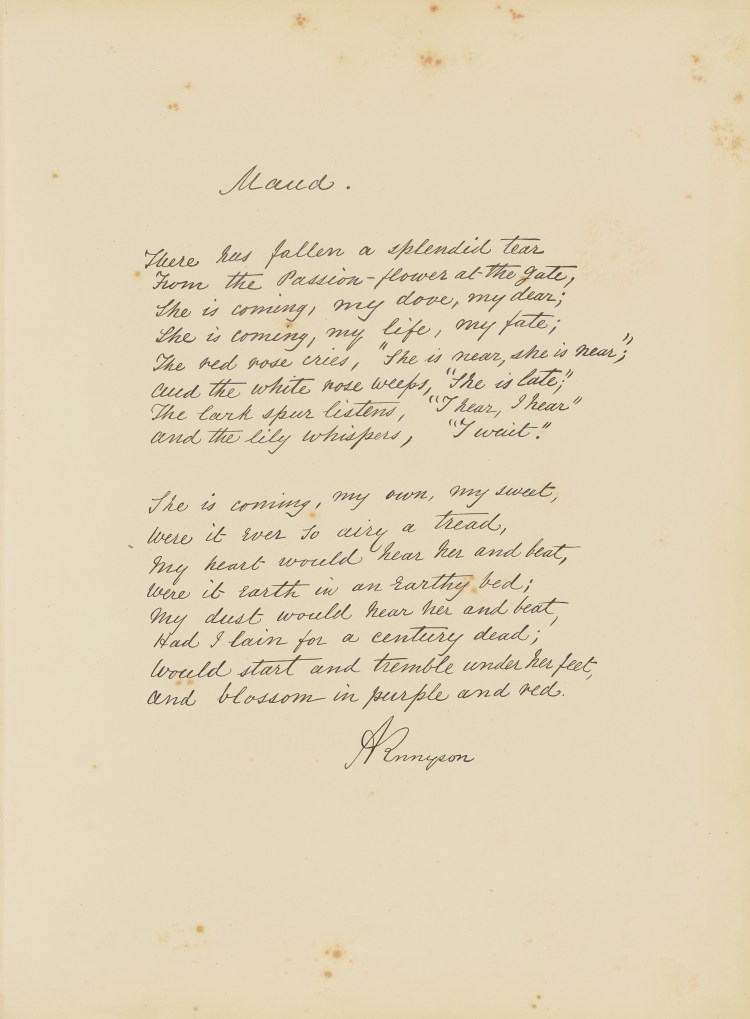
Tennyson, ‘Maud’, excerpt handwritten by Cameron (1874–75), image from Getty.edu 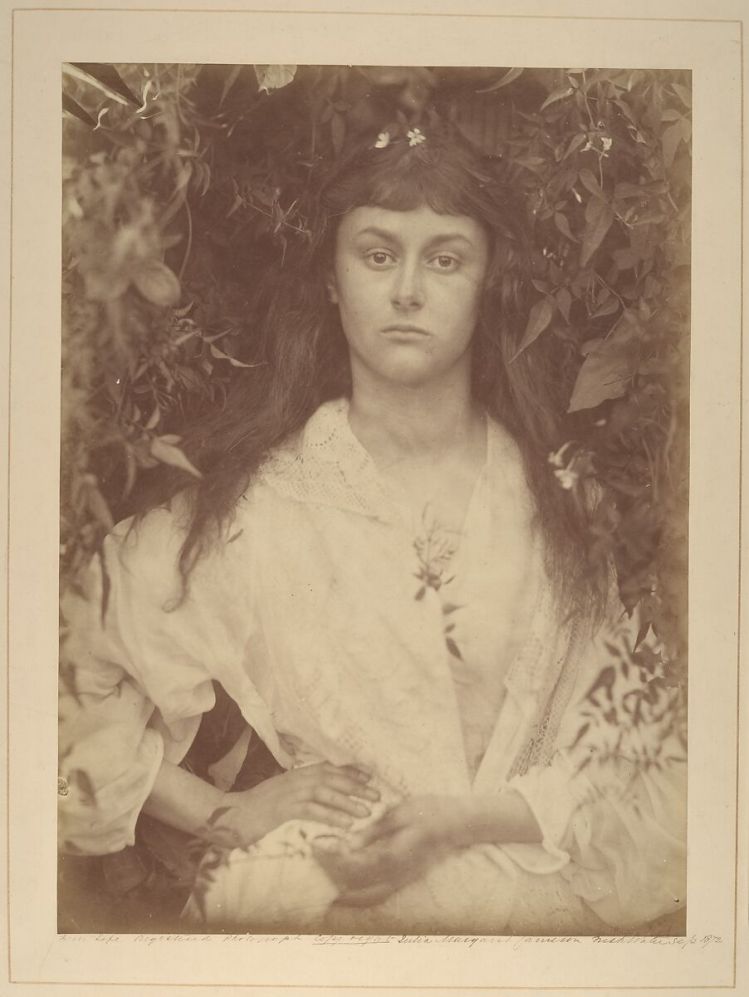
Cameron, ‘Pomona’ (photograph of Alice Liddell) (1872) 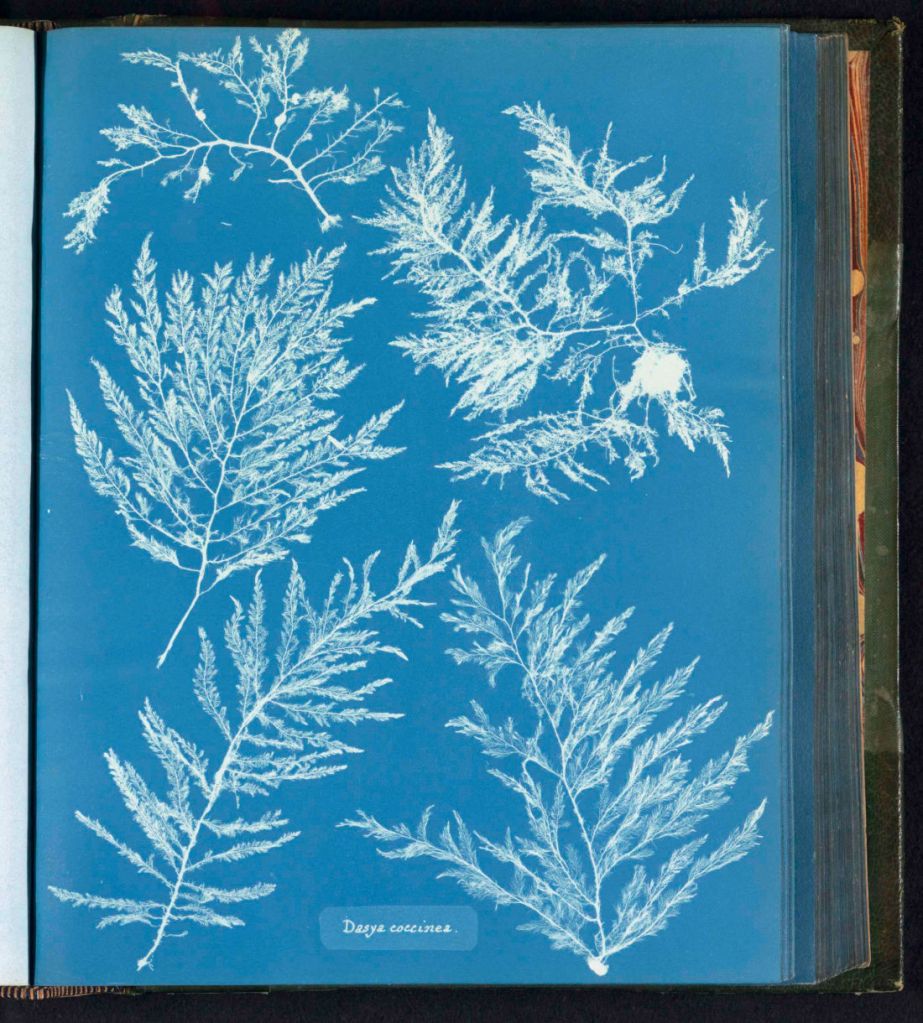
Anna Atkins, cyanotype from Photographs of British Algae (c. 1843–53) 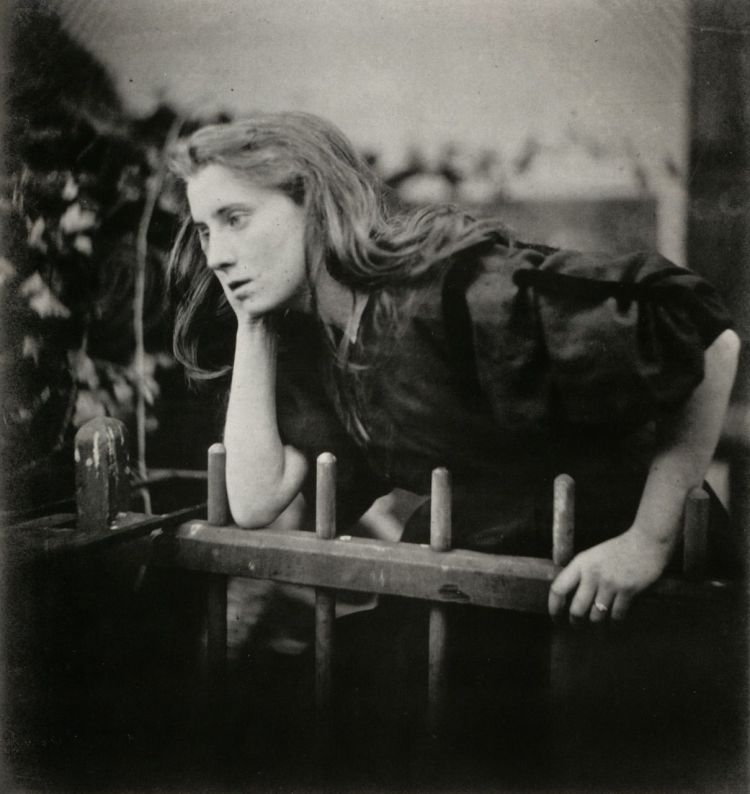
Cameron, ‘The Passion Flower at the Gate’ (earlier illustration of Maud) (c. 1865), image via Pinterest 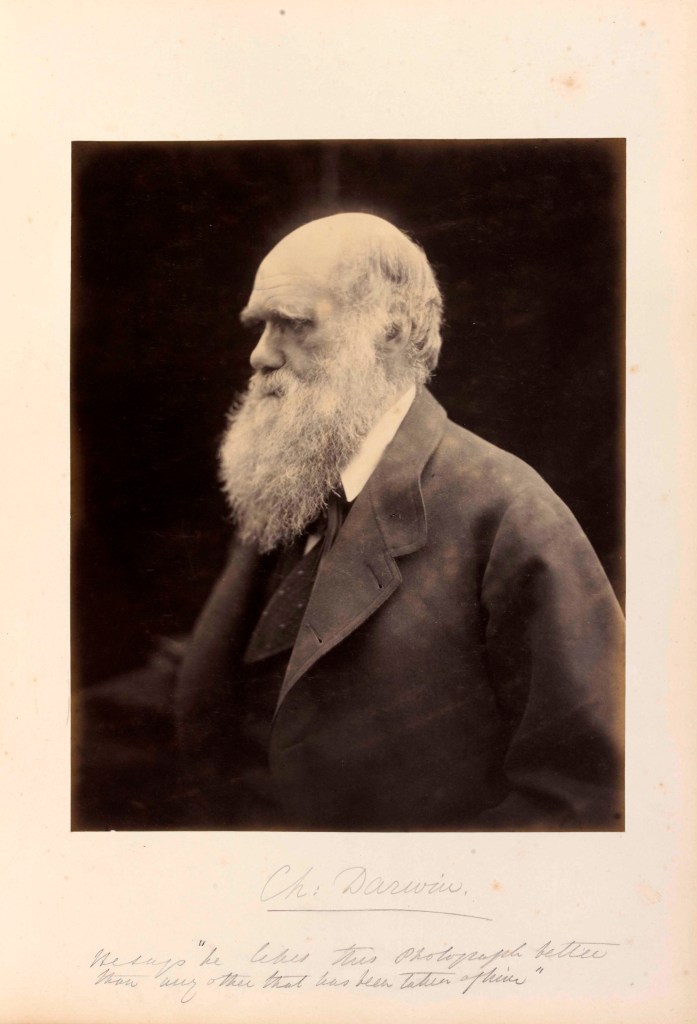
Cameron, ‘Charles Darwin’ (1868), image from Wikimedia Commons 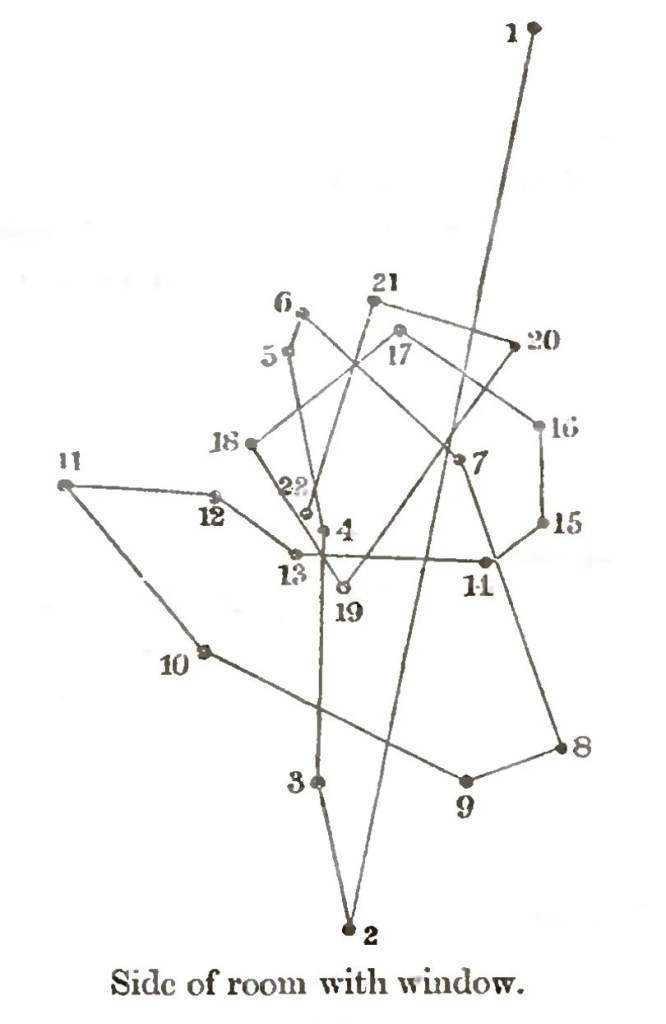
Darwin, spiral diagram of a pea (1867), image from Wikimedia Commons 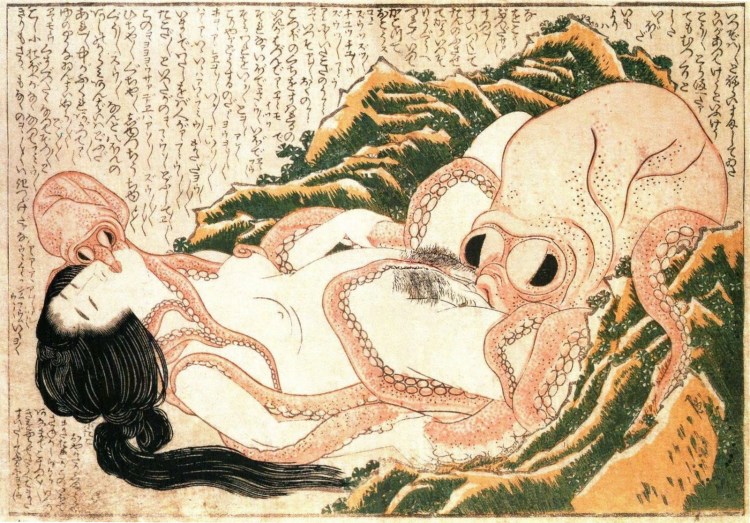
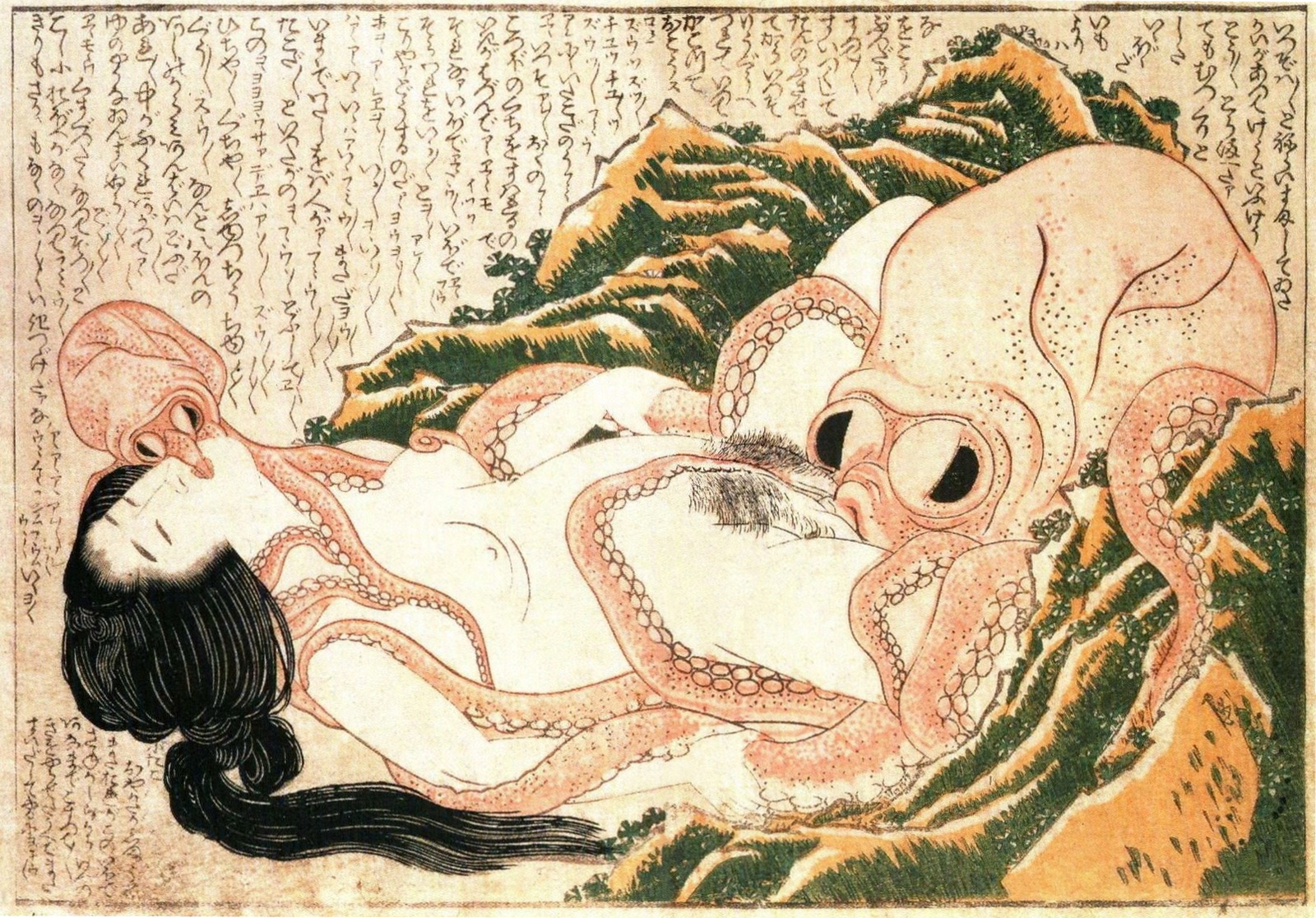
Hokusai, ‘The Dream of the Fisherman’s Wife’ (1814), image from Wikimedia Commons 
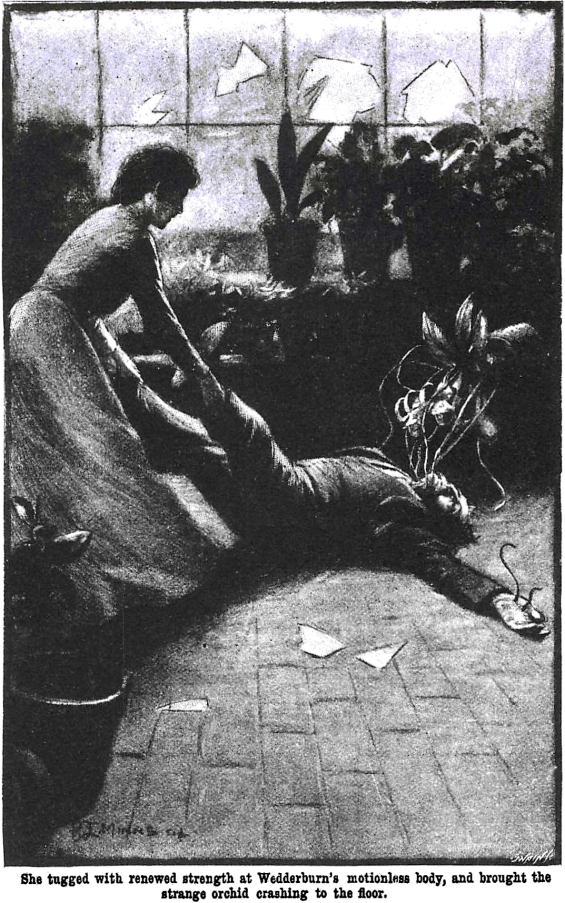
Illustration from H. G. Wells, ‘The Flowering of the Strange Orchid’ (1894), image via SFFaudio
listen on Spotify
listen on Apple Podcasts
Emma and Christy look at Julia Margaret Cameron’s photograph ‘Maud’ (c. 1874) and discuss plant consciousness, agency, and erotics. In this episode, we cover tendrils and tentacles, Victorian queerness, plant horror, early ecologies, Darwin and plant sex, interspecies entanglements, photography and desire, colonial collecting, tipitiwitchets, sadomasochism, and whether your houseplant can kill you.
MEDIA DISCUSSED
Julia Margaret Cameron, Maud (c. 1874)
Bernini, Apollo and Daphne (1622–25); see also this detail from Rape of Proserpina (1621–22)
Julia Margaret Cameron, Illustrations to Tennyson’s ‘Idylls of the King’, and Other Poems (London: King, 1874–75)
Alfred Tennyson, ‘Maud’, excerpted by hand by Julia Margaret Cameron (1874–75)
Julia Margaret Cameron, Pomona [Alice Liddell] (1872)
Anna Atkins, cyanotype from Photographs of British Algae (c. 1843–53)
Earlier Julia Margaret Cameron illustration of Maud: The Passion Flower at the Gate (c. 1865)
Julia Margaret Cameron, Charles Darwin (1868)
Charles Darwin, ‘Diagram showing the movement of the upper internodes of the common Pea, traced on a hemispherical glass and transferred to paper’ (1867)
Hokusai, The Dream of the Fisherman’s Wife (1814)
Illustration from H. G. Wells’s The Flowering of the Strange Orchid (1894)
REFERENCES
Emma Merkling, ‘Plant Subjects, Plant Erotics: Julia Margaret Cameron’s Creeping Idyll‘, in The Victorian Idyll in Art and Literature: Subject, Ecology, Form, ed. by Thomas Hughes and Emma Merkling (New York: Routledge, forthcoming 2023)
Alfred Tennyson, ‘Maud’ (1855)
Julia Margaret Cameron, ‘Annals of My Glass House’ (1874)
Claire Hickman, The Doctor’s Garden: Medicine, Science, and Horticulture in Britain (New Haven and London: Yale University Press, 2021)
Lindsay Wells, ‘Vegetal Bedfellows: Houseplant Superstitions and Environmental Thought in Nineteenth-Century Periodicals’, Victorian Periodicals Review, 54.1 (Spring 2021), 1–23
Ann Garascia, ‘”Impressions of Plants Themselves”: Materializing Eco-Archival Practices with Anna Atkins’s Photographs of British Algae‘, Victorian Literature and Culture, 47.2 (2019), 267–303
Carol Armstrong, ‘Cupid’s Pencil of Light: Julia Margaret Cameron and the Maternalization of Photography’, October, 76 (1996), 114–41
Charles Darwin, ‘On the Movements and Habits of Climbing Plants’, Journal of the Linnean Society (Botany), 9 (1867), 1–118
Charles Darwin, Letter to William Erasmus Darwin [25 July 1863]
Kasia Tomasiewicz and Dan Hancox, ‘Houseplants or Revolution?’, Cursed Objects (6 April 2021)
Kristin D. Hussey, Imperial Bodies in London: Empire, Mobility, and the Making of British Medicine, 1880-1914 (Pittsburgh: University of Pittsburgh Press, 2021)
Elizabeth Chang, ‘Killer Plants of the Late Nineteenth Century’, in Strange Science: Investigating the Limits of Knowledge in the Victorian Age, ed. by Lara Karpenko and Shalyn Claggett (Ann Arbor: University of Michigan Press, 2017), pp. 81–101
Cheryl Blake Price, ‘Vegetable Monsters: Man-Eating Trees in “Fin-de-Siècle” Fiction’, Victorian Literature and Culture, 41.2 (2013), 311–327
Holly Furneaux, ‘Victorian Sexualities’, Literature Compass, 8 (2011), 767–75
Alison Syme, ‘Bohemians of the Vegetable World’, in Queer Difficulty in Art and Poetry: Rethinking the Sexed Body in Verse and Visual Culture, ed. by Jongwoo Jeremy Kim and Christopher Reed (2017), 10-23
Algernon Charles Swinburne, ‘The Sundew’ (1862), reprinted in Poems and Ballads (1866)
Gillian Beer, ‘Plants, Analogy, and Perfection: Loose and Strict Analogies’, in Marking Time: Romanticism and Evolution, ed. by Joel Faflak (Toronto: University of Toronto Press, 2017), pp. 29–44
Barbara Barrow, ‘Queer Poetry and Darwin at the Fin de Siècle: Mathilde Blind, Constance Naden, and Laurence Hope’, Victorian Poetry, 59 (2021), 97–118
Sam See ‘Charles Darwin, Queer Theorist’, in Queer Natures, Queer Mythologies, ed. by Christopher Looby and Michael North (New York: Fordham University Press, 2020)
H. G. Wells, ‘The Flowering of the Strange Orchid’ (1894)
Timothy Morton, The Ecological Thought (Cambridge: Harvard University Press, 2012)
Kate Flint, ‘Ancient and Modern: Attention and Environmental Change in the Victorian Pictorial Idyll’, in The Victorian Idyll in Art and Literature: Subject, Ecology, Form, ed. by Thomas Hughes and Emma Merkling (New York: Routledge, forthcoming 2023)
Donna Haraway, ‘Tentacular Thinking: Anthropocene, Capitalocene, Chthulucene’, in e-flux journal, 75 (2016), 1–17
FURTHER READING
Steve Asselin, ‘Perilous Plants, Botanical Monsters, and (Reverse) Imperialism in Fin-De-Siècle Literature’, The Victorianist: BAVS Postgraduates Blog (30 October 2017)
Elaine Ayers, ‘Pitcher Plant: Drowning in Her Sweet Nectar’, in Natural Things in Early Modern Worlds, ed. by Mackenzie Cooley, Anna Toledano & Duygu Yıldırım (London: Routledge, 2023)
Jim Endersby, ‘Deceived by Orchids: Sex, Science, Fiction and Darwin’, British Journal for the History of Science, 49 (2016), 205–29
Damian Hughes, Picturing Ecology: Photography and the birth of a new science (London: Palgrave Macmillan, 2022)
T. S. Miller, ‘Lives of the Monster Plants: The Revenge of the Vegetable in the Age of Animal Studies’, Journal of the Fantastic in the Arts 23.3 (2012), 460–79
Timothy Morton, The Ecological Thought (Cambridge: Harvard University Press, 2012)
Jeff Rosen, Julia Margaret Cameron’s ‘fancy subjects’: Photographic Allegories of Victorian Identity and Empire (Manchester: Manchester University Press, 2016)
Jonathan Smith, ‘Une Fleur du Mal? Swinburne’s “The Sundew” and Darwin’s Insectivorous Plants’, Victorian Poetry, 41 (2003), 131–50
Jesse Oak Taylor, The Sky of Our Manufacture: The London Fog in British Fiction from Dickens to Woolf (Charlottesville & London: University of Virginia Press, 2016)
Jennifer Tucker, Nature Exposed: Photography as Eyewitness in Victorian Science (Baltimore: The Johns Hopkins University Press, 2005)
This season of ‘Drawing Blood’ was funded in part by the Association for Art History.
Follow our Twitter @drawingblood_
‘Drawing Blood’ cover art © Emma Merkling
All audio and content © Emma Merkling and Christy Slobogin
Intro music: ‘There Will Be Blood’ by Kim Petras, © BunHead Records 2019. We’re still trying to get hold of permissions for this song – Kim Petras text us back!!
 Drawing Blood Podcast